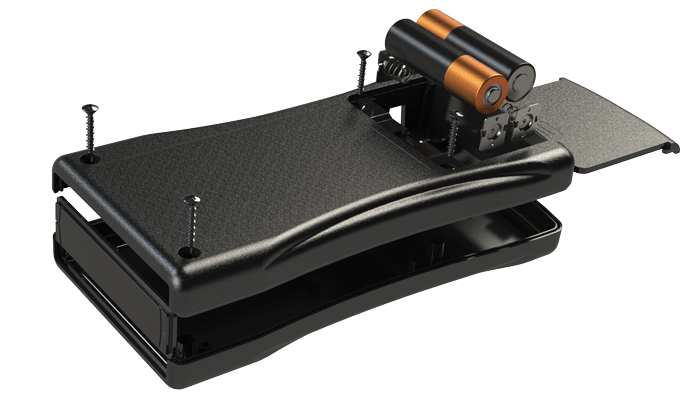
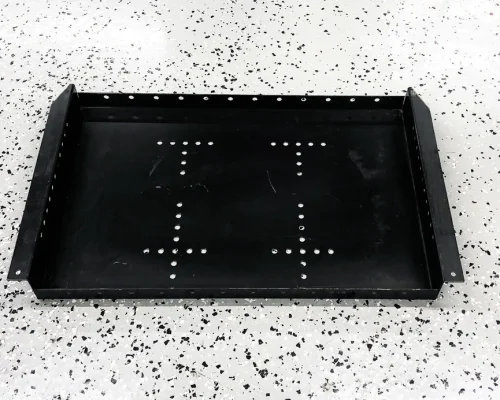

As battery technologies continue to evolve—especially with the rapid growth of lithium-ion systems, electric vehicles (EVs), and energy storage solutions—the materials used for battery enclosures are also undergoing significant changes. Among them, polycarbonate material (PC) has emerged as a preferred choice in many applications.
But why is PC gaining so much traction? Let’s explore this from multiple perspectives.
Safety Performance: The Top Priority
Battery safety is critical, battery plastic housing particularly as energy density increases. PC stands out due to its excellent protective properties:
- High impact resistance
PC is significantly tougher than many standard plastics, helping prevent cracks or fractures during drops or mechanical stress. - Flame retardancy
With proper additives, PC can achieve UL94 V0 ratings, ensures enhanced flame resistance, making it an ideal choice for applications requiring fireproof and fire-resistant solutions. - Thermal resistance
PC can typically withstand continuous temperatures of around 120°C, making it more suitable than materials like ABS for high-performance batteries.
Mechanical Strength and Structural Integrity
PC offers an excellent balance between stiffness and toughness:
- Maintains structural integrity under stress
- Provides good dimensional stability for precision battery modules
- Enables thin-wall designs, reducing overall weight without compromising strength
These properties are especially important in EV battery packs and energy storage systems.
Electrical Insulation Properties
- Excellent electrical insulation, reducing risks of leakage or short circuits
- Can be modified for anti-static (ESD)coating or conductive properties with additives like carbon black
This is one reason why many battery enclosures are black in color.
Design Flexibility and Aesthetics
- Naturally transparent, but easily colored (including deep black finishes)
- Supports various surface textures (matte, glossy, textured)
- Optimal for injection molding when producing large quantities or for CNC machining when dealing with fewer components.
Environmental Resistance
With proper modification, PC can offer:
- UV resistance
- Improved hydrolysis resistance
- Good weatherability
These features make it suitable for outdoor applications such as renewable energy storage systems.
Comparison with Other Materials
Material | Advantages | Limitations | Typical Applications |
PC | High strength, flame retardant, excellent safety | Higher cost | EV batteries, ESS, high-end lithium batteries |
ABS | Low cost, easy processing | Lower heat resistance | Consumer electronics |
PP | Chemical resistance, low cost | Lower strength | Lead-acid battery cases |
Aluminum | Strong, excellent heat dissipation | Conductive, higher cost | EV structural enclosures |
PC stands out as the best-balanced option in terms of safety, insulation, and mechanical performance.
Limitations of PC
Despite its advantages, PC is not a universal solution:
- Higher material cost compared to ABS or PP
- Moderate chemical resistance (sensitive to certain solvents)
As a result, alternatives like PC/ABS blends or flame-retardant modified PC are often used in practice.
Polycarbonate is becoming a key material for battery enclosures because it delivers an optimal balance of safety, strength, insulation, and flame resistance. As battery systems continue to advance, especially in high-energy applications, PC is well-positioned to play an even more important role in the future of battery design.