PLASTIC POLISHING
Commercial Edge Polishing Services for Acrylic & Polycarbonate
Excelite Plastic Products|Premium Materials|Trusted Quality

Commercial Edge Polishing Services for Acrylic & Polycarbonate
Polishing acrylic and polycarbonate edges improves clarity, smoothness, handling safety, and the perceived quality of a finished component. The right method depends on the material, edge geometry, starting condition, required finish, and production quantity.
This practical guide explains how to prepare and polish acrylic sheet and polycarbonate edges, when to use diamond edge polishing, hand buffing, flame polishing, or sanding, and how to avoid common defects such as haze, swirl marks, burns, rounded corners, and cracking.
A clear, high-gloss edge is appropriate for display cases, retail fixtures, museum exhibits, illuminated signage, machine guards, windows, and other applications where the edge is visible.
A satin or frosted edge is useful when the design needs diffuse light, lower visual contrast, or better concealment of handling marks.
For concealed machine guards, internal parts, or bonded edges, a safe and consistent machined finish may be more appropriate than display-grade polishing.
Premium polishing adds processing time, so it should be reserved for edges where clarity or appearance adds value.
No method produces identical clarity on every part.
Thickness, material grade, edge damage, internal corners, narrow features, coatings, and heat sensitivity all influence the finish that can be achieved.
Understand the Material Before You Start
Acrylic is polymethyl methacrylate, commonly called PMMA.
Clear cast acrylic is often preferred where high-clarity polished edges are required because it generally machines and finishes cleanly.
Extruded acrylic can also be polished, but its response to heat, stress, and machining can vary by grade.
Polycarbonate is a tough, impact-resistant thermoplastic that can also be polished after cutting or machining.
Its higher toughness and heat response mean process control is especially important: aggressive sanding, excessive buffing pressure, or uncontrolled heat can leave haze, distortion, stress, or an inconsistent edge finish.
Polycarbonate can be polished to improve appearance and remove burrs, but it’s more heat- and solvent-sensitive than acrylic.
Mechanical sanding and buffing, controlled thermal methods (flame or hot-knife), and careful CNC finish passes are preferred.
Solvent polishing is generally not recommended for polycarbonate because many solvents cause crazing, stress cracking, or loss of strength.
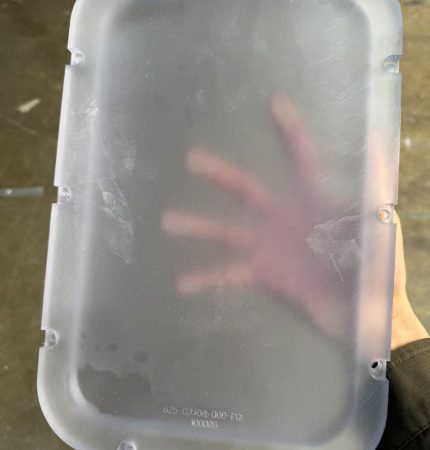
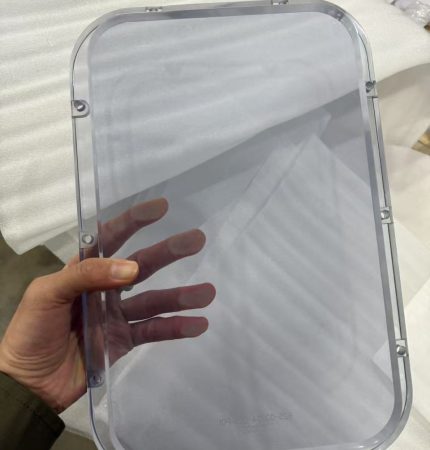
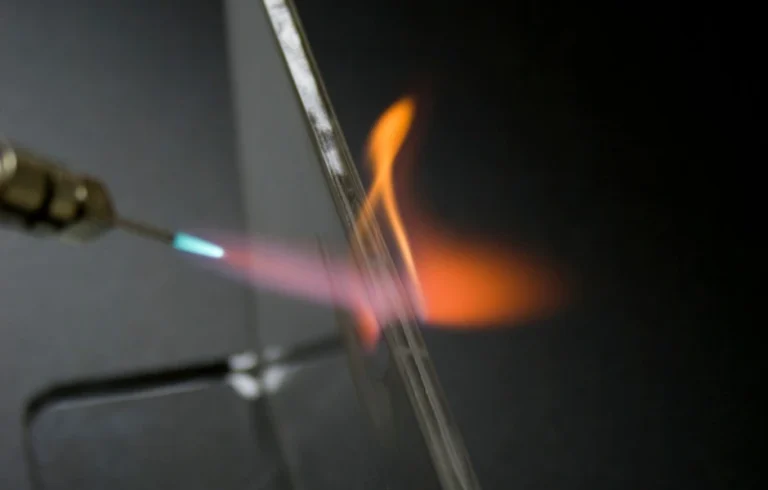
Flame polishing is effective for materials like acrylic. It is not suitable for polycarbonate due to the unique properties of polycarbonate.
Polycarbonate has a higher melting point compared to acrylic, and it is more prone to thermal degradation. When exposed to an open flame for flame polishing, polycarbonate can start to break down. The heat from the flame can cause the polycarbonate to discolor, develop bubbles, or even crack.
Additionally, polycarbonate is known for its excellent impact resistance and optical clarity. Flame polishing may compromise these properties increasing internal stresses or altering the molecular structure of the material.
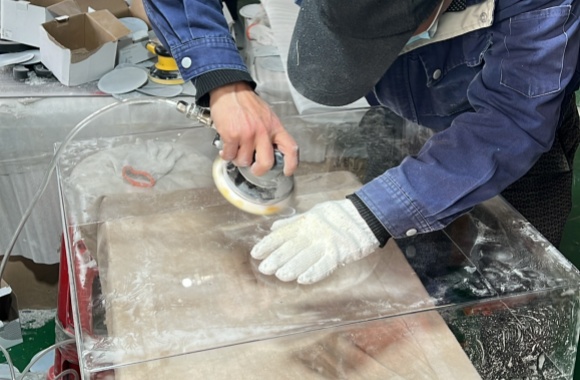
1. Enhanced Aesthetics: Polished plastic surfaces have a glossy and smooth finish.
2. Improved Durability: The polishing process can strengthen the surface of the plastic, making it more resistant to scratches, abrasions, and general wear and tear.
3. Ease of Cleaning: Polished plastic surfaces are easier to clean and maintain compared to rough or textured surfaces.
4. Enhanced Light Transmission: Polished plastic surfaces can improve light transmission, making them ideal for applications where clarity and visibility are important, such as in optical devices, light fixtures, or display cases.
5. Customization Options: Polished plastic can be easily customized in terms of shape, and finish, providing flexibility in design and aesthetics for various applications.
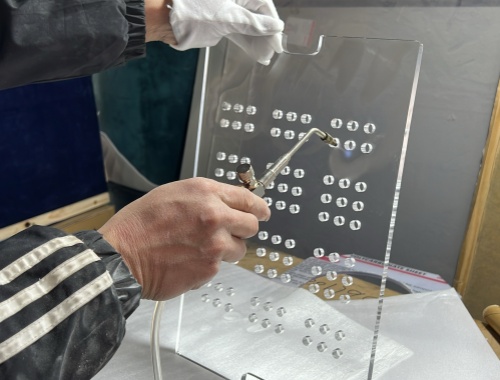
At Excelite, we adhere to strict standards for all plastic parts, ensuring they meet the highest levels of quality.
High Optical Clarity
Edge Finishes Quality
Tight Tolerance Control
Mirror, satin, and functional edge finishes for sheets and fabricated parts
Processes: mechanical sanding & buffing, flame/hot-knife polishing, CNC finish passes, laser smoothing, vibratory tumbling, and applied edge trim
Material focus: acrylic (PMMA) and polycarbonate (PC)
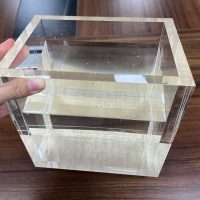
When applied to display box, delivers clear, low‑haze viewing areas and smooth, uniform edges that enhance both aesthetics and readability.
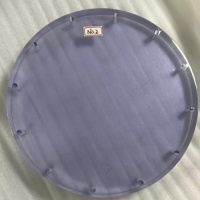
Excelite provides precision acrylic and polycarbonate edge polishing for machine guards, delivering smooth, burr‑free edges and consistent profiles that enhance safety and fit.
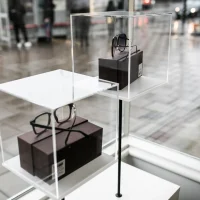
When applied to enclosures, produces smooth, uniform edges and high-quality surface clarity that improve both appearance and assembly fit.
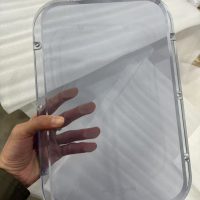
Excelite also offers OEM component polishing for acrylic and polycarbonate, delivering production‑grade edge and surface finishes that meet strict dimensional, cosmetic, and assembly requirements.
Yes — many scratches can be removed from polycarbonate, but success depends on scratch depth, location, and part function.
No — flame polishing polycarbonate is not recommended.
The best method depends on the material, edge geometry, starting condition, finish requirement, and production quantity. Diamond polishing is effective for many straight production edges, while hand buffing is better for curves, radii, and interior details. Test the process on the specified material grade before full production.
No. Flame polishing works best on a smooth, well-prepared edge. Deep saw marks, chips, and machining defects need mechanical preparation first. It is most commonly used on acrylic, while polycarbonate needs especially careful heat control.
Sanding leaves fine scratches that scatter light and create a frosted appearance. A controlled progression to finer abrasives, followed by an appropriate polishing method, can reduce visible scattering and improve clarity.
Yes. CNC-machined acrylic and polycarbonate can be polished when the machining process controls heat, tool marks, and internal stress. A clean machined edge needs less secondary preparation and supports a more consistent final finish.
Clear cast acrylic is commonly selected for high-clarity polished edges because of its machining and finishing behavior. Extruded acrylic can also be polished, but the final appearance depends on its grade, thickness, geometry, and process control.
Yes. Polycarbonate edges can be polished using suitable mechanical preparation and controlled polishing methods. Because polycarbonate is sensitive to excess heat and stress, material-specific settings and sample approval are important for visible or performance-critical parts.
With over 15 years of polycarbonate fabrication and machining experience, Excelite specializes in the fabrication of polycarbonate and acrylic sheet products, ensuring top-notch quality and precision. We are committed to providing the best manufacturing solutions tailored to your unique requirements.
Whether you have a detailed drawing or just an idea, our team of professionals is ready to turn your vision into reality. Enjoy the benefits of our services, including:
We invite you to partner with us and experience a seamless, efficient, and quality-driven production process.
Looking to transform your vision into a tangible product?
At Excelite Plastics, every project is unique.
Block 1 RuiSu Building, 2 Kecheng Rd, Suzhou, China 215122
Australia Branch: 6 Stephen Road, Dandenong South 3175