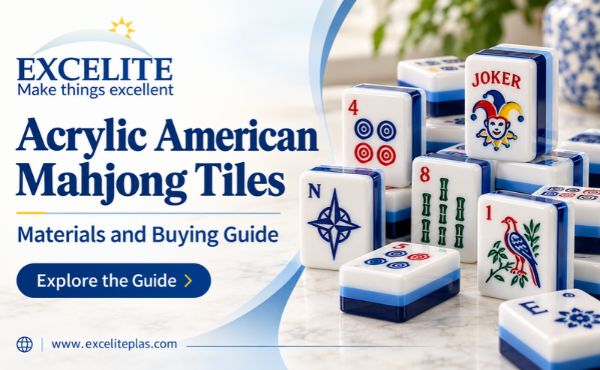
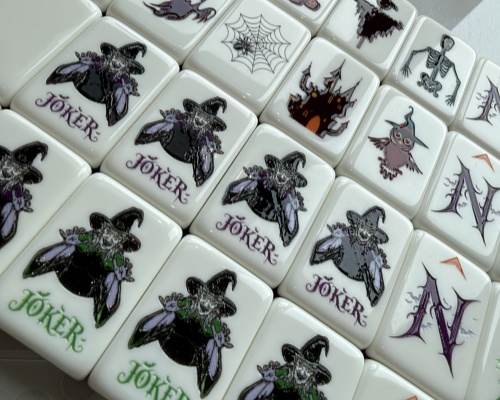
Acrylic American mahjong tiles offer flexible colors, layered construction, and distinctive finishes, but material alone does not determine playing quality. Buyers should evaluate the finished tiles for readability, consistent dimensions, concealed faces, comfortable handling, and compatibility with their accessories. For brands, retailers, and distributors, the strongest purchase specification also defines set composition, artwork durability, packaging, and replacement arrangements. This guide explains how to assess those factors and compare samples before committing to an acrylic tile collection or a production order.
Acrylic Material and Tile Construction
Acrylic usually refers to polymethyl methacrylate, or PMMA, the same polymer family used in commercial clear acrylic sheets, in this product category. However, a listing that says “resin” or “premium plastic” does not establish the exact material. Ask the supplier to identify the tile body, any separate face and backing layers, and the finishes applied to them.
Layered acrylic tiles can be made by bonding sheets together, cutting the material into tile blanks, and finishing the edges. Other production routes may be available, so buyers should confirm the method used for their particular collection.
Single-layer and multilayer designs serve different visual objectives. A solid body creates a simpler appearance, while contrasting layers can produce colored bands along the edges. Additional layers introduce more interfaces to control; they do not automatically establish better durability.
Inspect the finished edges for gaps, cloudy areas, trapped debris, and uneven layer thickness. Ask which variations are intentional and which are unacceptable production defects. A pearlescent or patterned material may vary naturally, but that variation must remain compatible with concealed play.
Acrylic and Melamine Buying Differences
Acrylic and melamine tiles can both provide a satisfactory playing experience. Their differences should be assessed through comparable finished samples rather than broad claims about luxury or strength.
Acrylic offers considerable freedom for layered colors and decorative effects. Melamine commonly appeals to buyers seeking a more traditional appearance and substantial feel. Nevertheless, tile volume also affects weight: a larger acrylic tile can weigh more than a smaller melamine tile.
Request measured individual tile weights and packed set weights. The former affects handling; the latter influences shipping, retail packaging, and portability. Neither weight alone nor the sound of shuffling is a reliable material identification test.
Durability depends on the complete product, including its edges, graphics, coatings, and construction. Avoid accepting “scratchproof,” “unbreakable,” or a guaranteed service life without a defined test and supporting evidence. Evaluate samples against the actual handling and cleaning conditions expected for the collection.
Dimensions, Handling, and Accessory Fit
“Standard,” “large,” and “chunky” are product descriptions rather than sufficient dimensional specifications. Record finished height, width, and thickness in a clearly stated order, together with the supplier’s proposed tolerances.
Width determines how much rack space a hand occupies. Thickness affects how tiles sit against the rack support and how comfortably players pick them up. Height influences visibility, while rounded corners and polished edges influence the feel of repeated handling.
Test a complete hand in the intended rack, then check an exposed group and the arrangement used during normal play. A single tile fitting the rack does not demonstrate that the full set works comfortably with it.
Also build and move a wall on the intended playing surface. Look for tiles that rock, lean inconsistently, or catch because of uneven finishing. Oversized tiles may improve symbol visibility but require more table and storage space. Approve the complete combination of tiles, racks, pushers, and case rather than each component separately.
Face Readability and Concealed Information
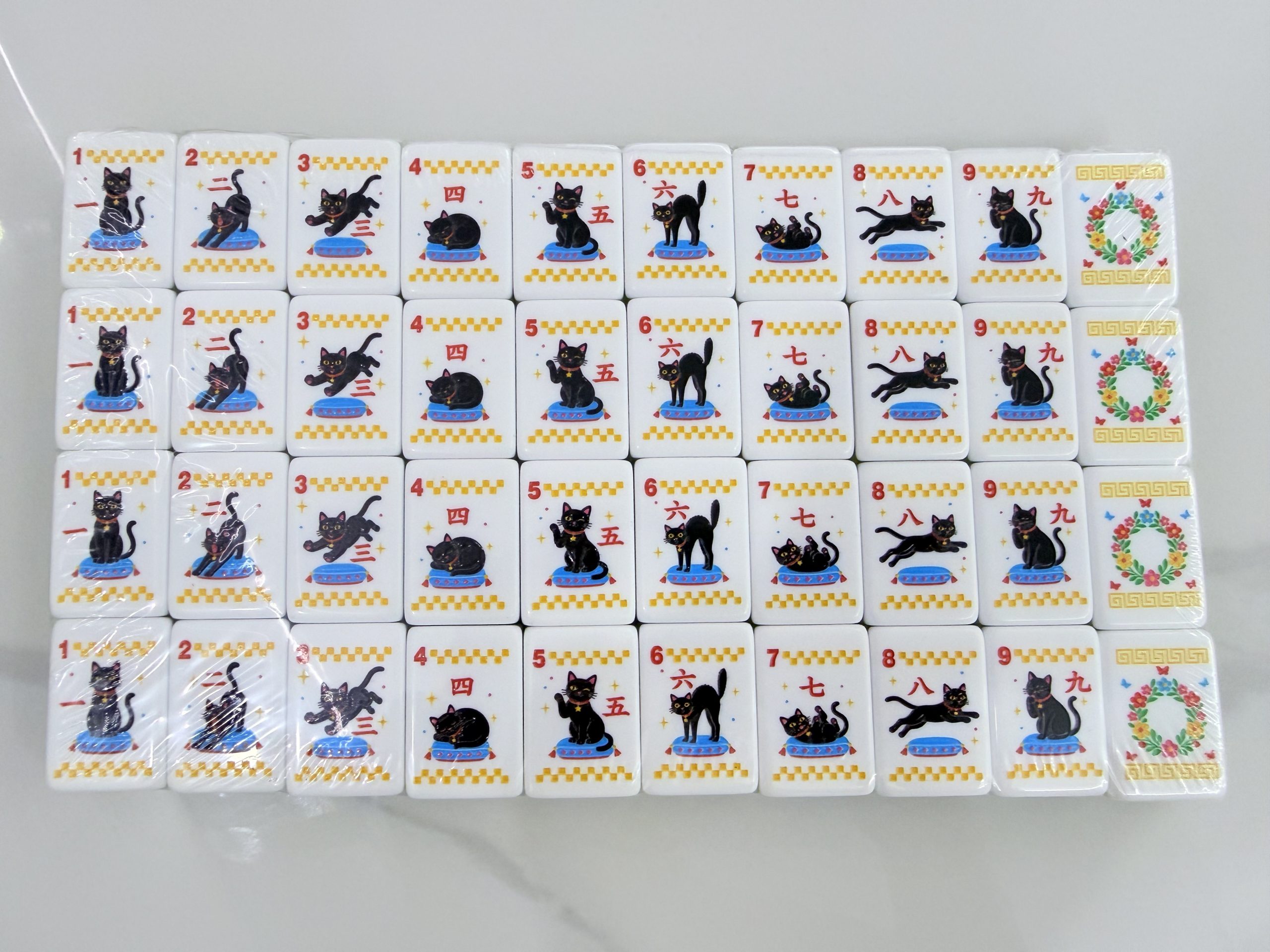
Readable artwork matters more than decorative complexity during play. Numbers, suit indicators, winds, dragons, flowers, and jokers should be distinguishable without forcing players to study each illustration.
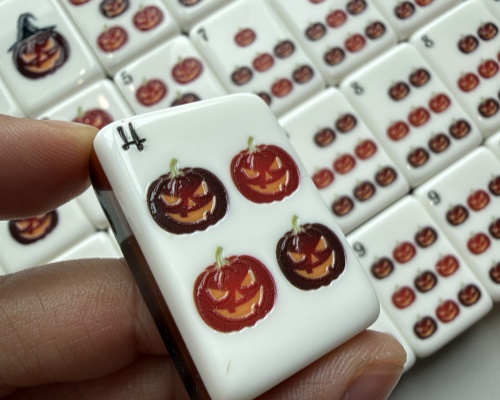
Examine samples at normal viewing distance under both bright and ordinary indoor lighting. Check whether glossy surfaces produce reflections over important markings. Pale colors on pale backgrounds, crowded corners, and thin decorative strokes can reduce clarity even when the enlarged artwork looks attractive.
Acrylic may include transparent or translucent decorative elements. The essential requirement is that hidden tile identities cannot be inferred from the back, edges, transmitted light, or distinctive manufacturing marks.
Inspect different tile types face down and compare their backs and side profiles. A repeated backing design should not change according to the face. Random patterns also need review: if individual tiles are unusually distinctive, repeated play may make them recognizable. Back privacy is therefore a finished-product inspection issue, not simply a choice between clear and opaque sheet material.
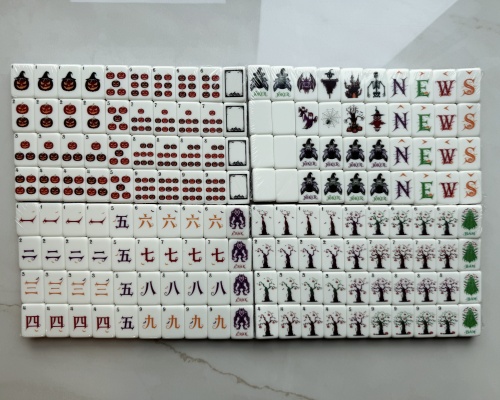
Artwork Processes and Surface Performance
Engraved and color-filled artwork places pigment within recessed markings. Direct printing on plastic sheets places ink on the surface or another specified layer. Protected printing may position artwork beneath a transparent layer. Suppliers may combine techniques within one design.
Ask where each graphic sits and which operations follow its application. Surface printing is not inherently unsuitable, and engraving does not guarantee lasting color. Ink adhesion, paint filling, curing, protective layers, and cleaning compatibility all affect performance.
For sample evaluation, agree on a repeatable handling or abrasion check with the supplier. Specify the contact material, procedure, acceptance criteria, and whether cleaning forms part of the assessment. An undefined scratch test cannot support a meaningful comparison between factories.
Check for missing color, rough recesses, blurred outlines, uneven coverage, and misalignment. Fine artwork should remain recognizable after the chosen finishing process. Keep an approved physical sample as the reference for production quality.
American Mahjong Set Composition
A commonly used American mahjong playing set contains 152 tiles: 108 suited tiles, 16 winds, 12 dragons, eight flowers, and eight jokers. Commercial sets may include additional jokers, blanks, or replacement tiles.
A package marked 160 or 166 tiles therefore needs an itemized composition list. The total alone does not reveal which extras are included or whether all required playing tiles are present.
For purchasing, use a manifest that connects each tile identity to its quantity and artwork reference. Distinguish blank spares from finished replacements; a blank cannot immediately substitute for every missing tile without an appropriate marking process.
Confirm whether the product includes racks, pushers, dice, a case, and instructions. Also clarify whether a current playing card is supplied. Compatibility with American mahjong play should not be presented as league certification unless that specific claim has been verified.
Sample Approval and Bulk Purchase Controls
A useful sample review combines visual inspection with practical handling. For a new collection, request a complete set before bulk approval whenever possible; a few attractive sample tiles cannot demonstrate correct composition or consistent backs.
| Purchase control | Evidence to request |
|---|---|
| Material identity | Written identification of body, layers, and finishes |
| Dimensional consistency | Finished measurements and agreed tolerances |
| Set completeness | Itemized tile manifest and packing checklist |
| Appearance consistency | Approved samples and defined variation limits |
| Graphic performance | Agreed test procedure and acceptance criteria |
| Replacement support | Availability, matching requirements, and order conditions |
Retain the specification, sample approval, and artwork revision together. If a supplier changes sheet stock, graphics, or finishing after approval, require confirmation of the effect on the finished tiles.
Packaging should prevent excessive movement and abrasive contact in transit. Check the packed case for pressure on edges, loose accessories, and difficult unloading. Ask how damaged or missing tiles are handled and whether future replacements can match the original backing color and dimensions.
Cleaning and Storage Requirements
For routine care, use the finished-product supplier’s instructions. Guidance for bare acrylic does not automatically cover printed surfaces, filled engravings, bonded layers, or coatings.
A soft cloth and a mild, compatible cleaning solution may be appropriate, following the same caution used when removing scratches from acrylic, but compatibility should be confirmed before retail care instructions are issued. Do not assume alcohol wipes, household glass cleaners, or solvent cleaners are suitable.
Keep tiles dry before packing and protect them from abrasive debris and excessive heat. Provide customers with simple care instructions that reflect the tested construction. Avoid promising dishwasher compatibility, prolonged soaking, or chemical disinfection unless the complete finished tile has been validated for that use.
Conclusion
Acrylic American mahjong tiles should be selected as finished playing products, with material, construction, readability, and handling assessed together. Start with documented dimensions and an itemized tile manifest, then test a complete sample with the intended accessories. Confirm that hidden faces remain concealed and that graphics tolerate the agreed handling and care conditions. For bulk purchases, preserve the approved sample and specification as production references. These steps give buyers a practical basis for comparing collections and controlling quality across orders.