
The semiconductor industry demands high-performance materials that ensure precision, durability, and safety. Among the various options available, polycarbonate sheet has emerged as a preferred choice due to its exceptional properties. This article explores the benefits of polycarbonate sheets in semiconductor applications and highlights their key uses in this high-tech sector.
Why Polycarbonate Sheets Are Ideal for the Semiconductor Industry?
The semiconductor industry mandates stringent performance standards. These materials must possess sufficient strength to endure the forces exerted during cutting and shaping, while also resisting corrosion from exposure to chemicals and moisture.
Additionally, they must be lightweight to ensure that the finished devices remain compact and energy-efficient.
Given their high strength, toughness, and corrosion resistance, thermoset polycarbonate plastic composites present an excellent choice for semiconductor manufacturing.
1. High Impact Resistance
Polycarbonate sheets are known for their exceptional strength and impact resistance, making them ideal for protecting sensitive semiconductor equipment. Unlike glass or acrylic, polycarbonate can withstand harsh conditions without cracking or shattering.
| Properties | Glass | Acrylic | Polycarbonate |
|---|---|---|---|
| Impact Resistant | Low | Moderate | High |
| Shatter Resistance | Shatters easily into shards | Cracks but doesn't shatter | Doesn't shatter |
| Weight | Heavy | Light weight | Light weight |
| Flexibility | Rigid | More flexible than glass | Highly flexible |
| Applications | Limited use in high impact areas | Common in signage, displays | Widely used in safety equipment, automotive, electronics |
2. Optical Clarity & Light Transmission
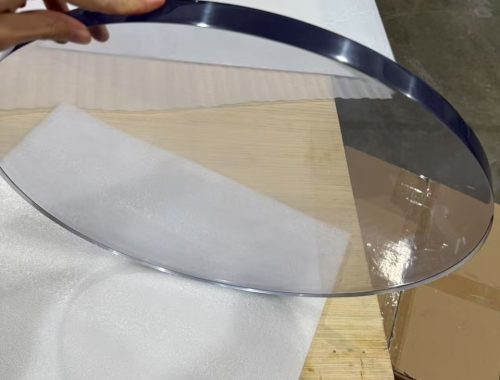
For processes requiring visibility, polycarbonate sheets offer excellent optical clarity. They allow high light transmission, which is crucial for inspection and quality control in semiconductor manufacturing.
3. Chemical Resistance
Semiconductor fabrication involves exposure to aggressive chemicals. Polycarbonate sheets resist corrosion from acids, solvents, and other harsh substances, ensuring long-term durability.
4. Flame Retardancy & Safety Compliance
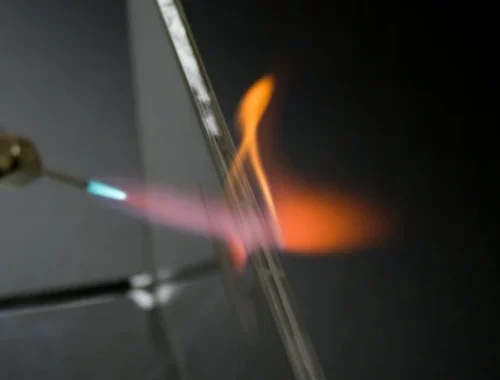
Safety is critical in semiconductor facilities. Many polycarbonate sheets are manufactured with flame-retardant properties, meeting industry standards such as UL94 V-0, reducing fire risks.
5. Lightweight & Easy Fabrication
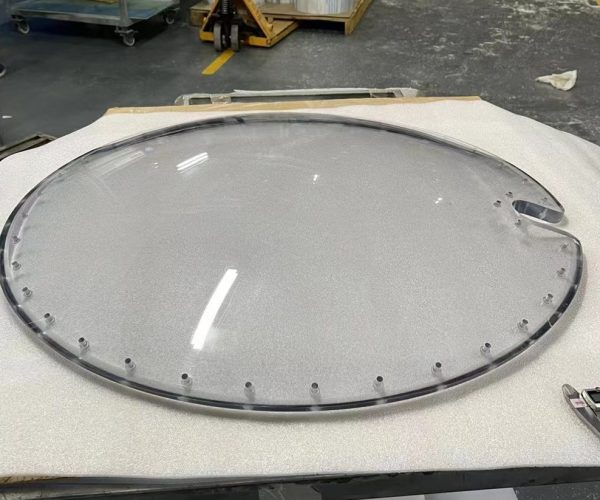
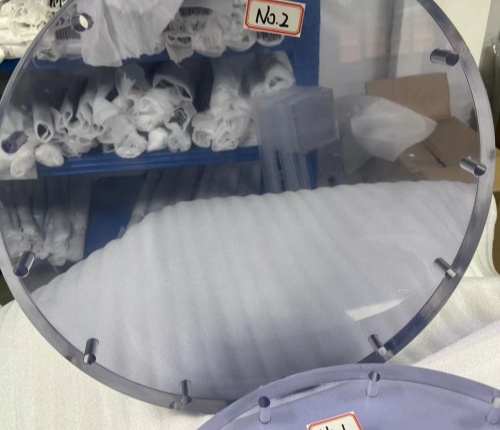
Compared to glass, polycarbonate is lightweight, making it easier to handle and install. It can be CNC machining, bending, and thermoformed into custom shapes, providing flexibility for semiconductor equipment housing and protective barriers.
6. UV & Heat Resistance
Polycarbonate sheets can be treated with UV-resistant coatings, preventing yellowing and degradation under prolonged exposure to light and heat—common in semiconductor cleanrooms.
Applications of Polycarbonate Sheets in the Semiconductor Industry
1. Cleanroom Partitions & Enclosures
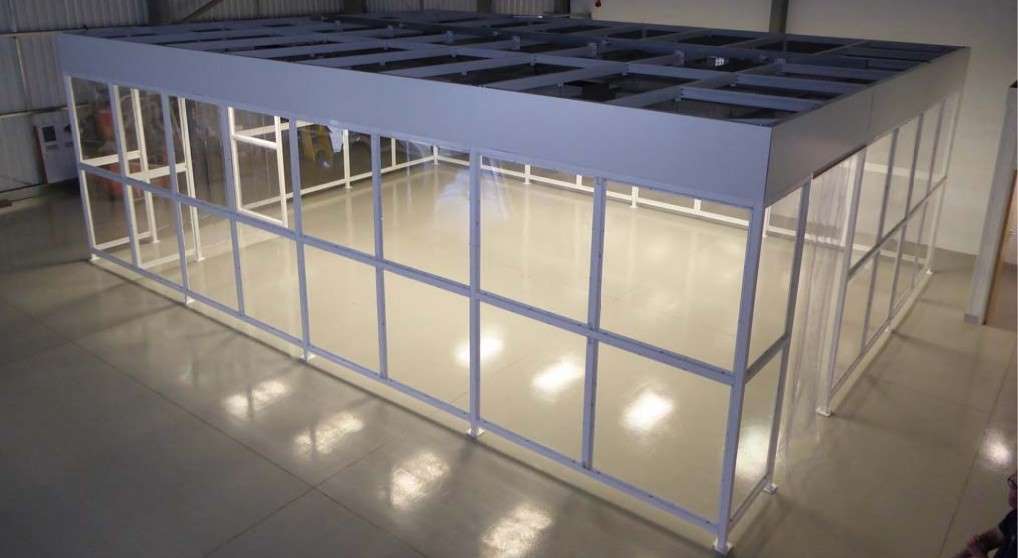
Semiconductor manufacturing requires contamination-free environments. Polycarbonate sheets are used for cleanroom walls, windows, and enclosures due to their dust-proof and static-resistant properties.
2. Machine Guards & Safety Shields
The high impact resistance of polycarbonate makes it perfect for protective barriers around robotic arms, wafer handling systems, and other machinery to prevent accidents.
3. Wafer Carrier Components
Polycarbonate is used in wafer cassettes and carriers because of its static-dissipative properties, preventing damage to delicate silicon wafers.

4. Inspection Windows & Lighting Panels
The optical clarity of polycarbonate sheets allows for clear visibility in inspection stations, lithography machines, and metrology tools.
5. Chemical Fume Hoods & Ventilation Systems
Due to their chemical resistance, polycarbonate sheets are used in fume hoods and exhaust systems to contain hazardous vapors safely.
Conclusion
The semiconductor industry relies on high-performance materials to maintain efficiency and safety. Polycarbonate sheets provide an optimal solution with their impact resistance, chemical stability, optical clarity, and flame retardancy. From cleanroom partitions to machine guards, their versatility makes them indispensable in semiconductor manufacturing.