
When choosing materials for roofing applications, lifespan is one of the most important questions buyers ask. Polycarbonate panels are widely used for industrial, commercial, and residential roofing because of their strength, light transmission, and durability. But how long do polycarbonate panels actually last in real-world use?
In this guide, we explain the typical lifespan of polycarbonate panels, what factors affect longevity, and what this means specifically for corrugated polycarbonate panels used in roofing applications.
Typical Lifespan of Polycarbonate Panels
Under normal outdoor conditions, polycarbonate panels generally last 10–15 years. This lifespan refers to structural performance and functional transparency, not just appearance.
For roofing applications, this range is considered reliable when the panels are:
Manufactured with UV-protective coatings
Properly installed according to spacing and fastening guidelines
Used within recommended temperature and load limits
In many cases, polycarbonate roofing panels can remain usable beyond 15 years, but light transmission and surface clarity may gradually decrease over time.
Why Polycarbonate Panels Are Long-Lasting
Polycarbonate is an engineered thermoplastic known for its high impact resistance and flexibility. Unlike brittle plastic roofing materials, polycarbonate panels can withstand repeated stress from wind, rain, and temperature changes.
Key properties that contribute to lifespan include:
High impact resistance (resistant to hail and debris)
Thermal stability across a wide temperature range
Natural resistance to cracking and breaking
These characteristics make polycarbonate panels especially suitable for long-term roofing applications.
How Thickness Affects Polycarbonate Panels Lifespan
One of the most important factors influencing lifespan is panel thickness.
Thicker polycarbonate panels:
Provide higher structural strength
Resist deformation under wind and snow loads
Offer longer service life in demanding roofing environments
For example:
Thinner panels are often used for light-duty covers and decorative roofing
Thicker panels are preferred for industrial roofing, skylights, and large-span structures
When selecting polycarbonate corrugated roofing panels, choosing the appropriate thickness for the application directly impacts how long the panels will perform effectively.
The Role of UV Protection
UV exposure is one of the main causes of aging in plastic roofing materials. High-quality polycarbonate roofing panels are typically manufactured with UV-resistant coatings applied to one or both sides.
UV protection helps to:
Prevent yellowing and loss of transparency
Reduce surface degradation
Extend overall lifespan in outdoor roofing applications
Panels without proper UV protection may experience reduced service life, even if the base material remains structurally sound.
Corrugated Polycarbonate Panels in Roofing Applications
Corrugated polycarbonate panels are commonly used in roofing applications such as:
Industrial and warehouse roofs
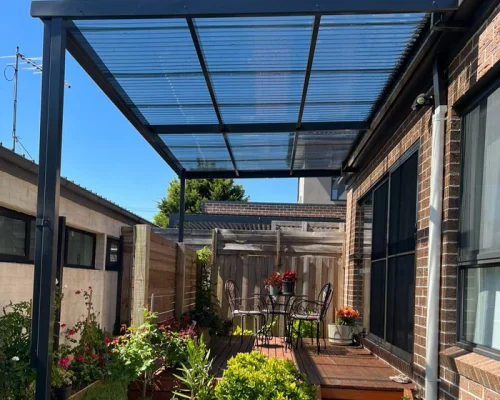
Canopies and outdoor covers
Greenhouses and agricultural buildings
Skylights and translucent roofing sections
The corrugated profile improves rigidity and water drainage, helping the panels maintain performance over long periods. When properly installed, corrugated polycarbonate panels typically achieve the 10–15 year lifespan range, even in challenging outdoor conditions.
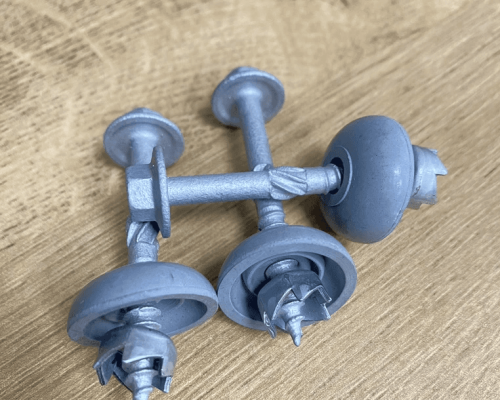
Installation quality plays a critical role. Correct panel spacing, appropriate fasteners, and allowance for thermal expansion all contribute to long-term durability.
Environmental Factors That Influence Lifespan
Several environmental conditions can affect how long polycarbonate panels last:
Climate: High UV exposure and extreme temperature swings accelerate aging
Wind loads: High-wind regions require thicker panels and closer support spacing
Pollution and chemicals: Industrial environments may impact surface longevity
For roofing applications in harsh environments, selecting higher-grade corrugated polycarbonate panels is recommended to ensure long-term performance.
Signs That Polycarbonate Panels Are Reaching End of Life
Over time, polycarbonate panels may show signs of aging, including:
Reduced light transmission
Surface dullness or discoloration
Minor surface cracking or coating wear
These changes do not always indicate immediate failure, but they suggest that replacement planning may be necessary, especially for roofing applications where light performance is important.
How to Maximize the Lifespan of Polycarbonate Roofing Panels
To achieve the full 10–15 year lifespan, consider the following best practices:
Choose panels with UV-protective coatings
Select appropriate thickness for the application
Follow recommended installation spacing and fastening methods
Allow for thermal expansion during installation
Perform periodic inspections and cleaning
When these factors are addressed, polycarbonate panels deliver long-term value and reliability.
The typical polycarbonate panels lifespan is 10–15 years, making them a dependable choice for modern roofing applications. Factors such as panel thickness, UV protection, environmental conditions, and installation quality all influence how long the panels will perform effectively.
For projects that require durability, light transmission, and weather resistance, corrugated polycarbonate roofing sheets remain one of the most practical solutions in roofing applications. Choosing the right product specifications ensures consistent performance throughout the panel’s service life.
If you are evaluating polycarbonate roofing solutions, understanding lifespan helps you make informed decisions and select panels that meet both performance and long-term cost expectations.