Choosing the right light diffuser sheet thickness is essential for optimizing your lighting applications. The thickness directly impacts the quality of light, light diffusion effects, and the overall performance of your lighting systems. Whether you’re working with led strip lights, led light panels, or other fixture types, the right thickness can enhance light efficiency and create a desirable lighting effect.
Understanding how light passes through different diffuser materials and how thickness affects light scattering can help you meet your specific needs. From improving the aesthetic appeal to ensuring energy efficiency, selecting the correct thickness for your led light diffuser is crucial for achieving the desired luminous effect and user experience in various applications.
Why Light Diffuser Thickness is Crucial for Lighting Applications
Key Impacts on Lighting Design and Effectiveness
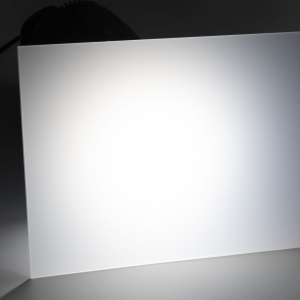
The thickness of a light diffuser significantly affects the overall lighting design and its effectiveness. One major role of diffuser thickness is in controlling light scattering and achieving desired light diffusion effects. A thicker diffuser tends to scatter light more evenly, which minimizes direct light and eliminates sharp led hotspots. This is particularly important when using led strip lights or led panels where smooth illumination is a priority.
Another critical benefit of appropriate diffuser thickness is the reduction of uneven lighting and glare control. Glare from improperly diffused light can cause eye strain and diminish the user experience in both residential and commercial spaces. By using the right thickness, you can create a more comfortable lighting setup, ensuring that the brightness level remains consistent without compromising light quality.
Lastly, the right thickness enhances the overall brightness level by balancing light transmission rate and light loss. While thinner diffusers may allow more light output, they can lead to visible led dots and uneven lighting. Thicker diffusers, on the other hand, diffuse light more thoroughly to improve light quality, though they may slightly reduce light efficiency. Striking a balance between these factors is essential to achieving optimal lighting performance.
Specific Requirements for Different Applications
Lighting needs vary significantly between residential, commercial, and retail spaces, making the choice of diffuser thickness highly application-specific. For example, in commercial spaces, lighting systems often require uniform light distribution to create an inviting atmosphere and reduce visual fatigue. Retail spaces, on the other hand, prioritize lighting installations that enhance aesthetic appeal and draw attention to products, making optical properties and luminous effect key factors to consider.
In residential applications, the focus may be on creating a warm and soothing environment, which can be achieved using diffusion materials like a milky diffuser. These are ideal for reducing eye strain while maintaining the right color temperature for a cozy ambiance. For cabinet lighting, selecting the right thickness ensures that the light spots are minimized while maintaining sufficient light output for functionality.
Moreover, the user experience in various applications can be enhanced by tailoring the diffuser thickness to meet specific needs. For example, lighting setups for office spaces require diffusers that reduce glare and ensure even illumination to boost productivity. By understanding the lighting requirements for different types of spaces, you can choose a diffuser thickness that aligns with the desired lighting design and functionality.