Acrylic Light Diffuser Sheet
Eliminate hot spots and create a soft, uniform glow—ideal for backlit signs, displays, and lighting.
Excelite Plastic Products|Premium Materials|Trusted Quality

An acrylic light diffuser panel is a type of acrylic sheet engineered to evenly spread light and reduce hot spots from LEDs or other light sources.
It produces a soft, uniform glow, making it ideal for backlit signs, displays, and architectural lighting applications.
Acrylic light diffuser panels are lightweight, durable, and easy to fabricate, offering the same strength as standard acrylic with added light-diffusing properties.
They are commonly used in signage, channel letters, and backlit installations to ensure consistent brightness and visual clarity.
Excelite Plastics supplies acrylic light diffuser sheets for backlit signage, LED panels, ceiling lights, displays and lightboxes. Select the diffuser grade based on the required balance between brightness, glare reduction and LED hotspot control.
Frosted or matte diffuser sheet A frosted acrylic diffuser creates a soft visual effect with moderate light diffusion. It is a practical choice when the light source is not extremely close to the sheet and the project needs a balance of brightness and glare reduction.
Opal or white diffuser sheet Opal acrylic is a common option for backlit signs, lightboxes, ceiling lights and display applications. It diffuses light more evenly than clear acrylic while maintaining useful brightness. It is well suited to applications where a clean, uniform illuminated appearance is the priority.
LED diffuser sheet For LED lighting applications, choose a diffuser grade designed to reduce visible LED points and hotspots. This option is most relevant for slim lightboxes, LED panels, channel letters and other installations with limited spacing between the LEDs and the diffuser sheet.
Textured diffuser sheet Available finishes include a matte textured surface on one side with a smooth surface on the other, as well as glossy finishes on both sides. Surface texture can help soften glare and improve visual uniformity in illuminated displays.
Standard acrylic light diffuser sheet thicknesses include:
As a general rule, a thicker sheet can create a softer, more diffused appearance and help reduce visible LED points. A thinner sheet can preserve more brightness, but may require greater LED spacing or a more effective diffuser grade to avoid hotspots.
For a more accurate recommendation, send the application details, LED type, LED spacing, panel depth, required sheet size, preferred thickness and quantity. Excelite Plastics can then recommend a suitable diffuser grade, thickness and light transmission level for the project.
The key trade-off is simple: higher transmission generally preserves more brightness, while lower transmission and stronger diffusion are more effective at hiding LED points and reducing glare. Do not promise a specific hotspot result without testing the proposed sheet with the customer’s LED layout and panel depth.
Acrylic Sheet Care
Cast acrylic, also names cast perspex is made by pouring liquid plastic into a glass mold until it hardens into a solid, clear sheet. A popular brand called Plexiglass is made this way.
Extruded acrylic is made a bit differently. The liquid plastic is pushed through a extrusion machine that shapes it into sheets using rollers.
Both cast acrylic sheets and extruded acrylic look and work in similar ways, but the way they are made is slightly different.
| Properties/ Features | Cast Acrylic | Extruded Acrylic |
|---|---|---|
| UV Stability | Excellent | Good: UV resistance, but might not perform as well as cast acrylic sheet while direct sunlight. |
| Clarity | Superior optical clarity with high light transmittance | Good, suitable for most applications |
| Wight | Slightly heavier due to its density | Slight lighter than cast acrylic |
| Chemical Resistance | Resistant to many chemicals but can be affected by strong solvents. | Generally resistant to common chemicals, but specific resistances may vary. |
| Scratch Resistance | High: More resistant to scratches | Less resistant to scratches, but much better than polycarbonate sheets |
| Colours | Available in a wide range of colours and thicknesses. | Fewer colours available, primarily under MOQ requirement. |
| Thickness Tolerance | Varied: +/- 15% thickness variability. | Consistent: +/- 10% thickness variability. |
| Flame Polishing | Produces cleaner edges, but more time-consuming. | Easier to achieve, but might not result in as clean of an edge. |
| Cost | Generally more expensive due to its properties and manufacturing process. | More cost-effective, making it a popular choice for projects with budget constraints. |
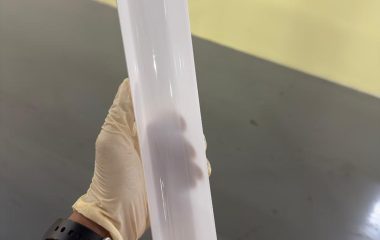
LED panels, ceiling lights, and troffers
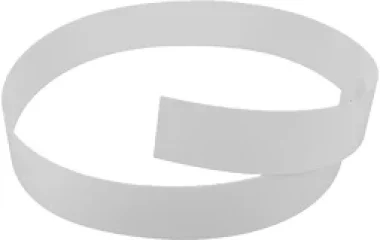
Acrylic Display & Signage
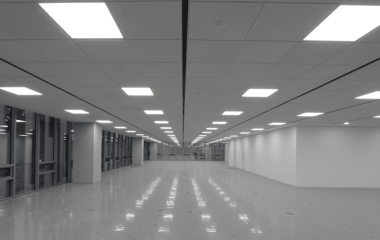
LCD displays and TVs
Helps distribute backlight evenly across the screen.
Cast acrylic provides superior optical clarity and surface quality compared to extruded acrylic. This makes cast acrylic the preferred choice for applications requiring high transparency and visual quality, while extruded acrylic may be suitable for more budget-conscious projects where perfect clarity is less critical.
Yes, using:
Avoid sharp bends on thick sheets—they can crack.
For most LED lighting applications, 1 mm to 2 mm acrylic diffuser sheet is a practical starting range. Use 1 mm for lightweight LED panels and compact lightboxes, 1.5 mm for general backlit signs and displays, and 2 mm where the panel is larger or needs more rigidity.
The best thickness also depends on the diffuser grade, LED spacing, panel depth and required brightness. Thicker material can improve rigidity and soften the appearance of the light, but it does not replace proper LED spacing or a suitable diffuser grade.
There is no single spacing that guarantees hotspot-free illumination because results depend on LED brightness, beam angle, LED pitch, diffuser grade, thickness and light transmission.
As a starting point, test the proposed sheet with the actual LED module and panel depth before production. If the LEDs are close to the diffuser, choose a stronger diffuser grade or lower transmission option to better conceal individual LED points. For deeper lightboxes, a higher-transmission diffuser may provide sufficient uniformity while preserving more brightness.
Opal acrylic diffuser sheet uses a white or milky appearance to spread light and create a more uniform illuminated surface. It is commonly used for lightboxes, backlit signs, LED panels and ceiling lighting.
Frosted acrylic diffuser sheet has a matte surface that softens light and reduces glare. It is useful when the project needs a softer visual effect while maintaining a relatively clean material appearance.
Prismatic acrylic diffuser sheet uses a patterned surface to control and redirect light. It is often selected for lighting fixtures where light distribution and glare control are important. Confirm the required prism pattern and lighting performance before selecting this option for a project.
For many backlit signs, 65% light transmission is a balanced starting point because it can retain useful brightness while improving light uniformity. 30% transmission is more suitable when stronger diffusion and LED-point concealment are required. 80% transmission is better when brightness is the main priority and the lighting layout already provides good uniformity.
The correct choice should be validated with a sample using the actual sign depth, LED type, LED spacing and face graphics. Higher transmission usually increases brightness, while lower transmission generally improves diffusion and reduces visible hotspots.
Acrylic diffuser sheet can generally be cut, CNC routed, laser cut and thermoformed, subject to the sheet grade, thickness and fabrication requirements.
For the cleanest result, test the intended fabrication method with a sample before full production. Laser cutting may require process adjustment to achieve the desired edge finish, while thermoforming requires suitable temperature control to avoid distortion or surface defects.
Yes. Custom requirements can include sheet dimensions, thickness, color, light transmission and diffusion characteristics, subject to production requirements and order quantity.
Provide the application, required sheet size, preferred thickness, transmission target, quantity and destination market when requesting a quote. This gives the supplier the information needed to confirm material suitability and production options.
Samples should be requested before a full production order, especially for LED lighting and backlit-sign projects where appearance depends on the full lighting assembly.
When requesting a sample, provide the LED type, LED spacing, panel depth, required transmission level, target color or finish, sheet thickness and intended application. Test the sample in the finished lighting setup before approving production, since the final result depends on the interaction between the LED layout and diffuser sheet.
Looking to transform your vision into a tangible product?
At Excelite Plastics, every project is unique.
Block 1 RuiSu Building, 2 Kecheng Rd, Suzhou, China 215122
Australia Branch: 6 Stephen Road, Dandenong South 3175