A display exposed to scratches, reflections, dust, and daily wear and tear quickly loses its clarity, touch functionality, and perceived value. For projects requiring screen protection, integrating Display Cover Lenses for LED & LCD Displays: Materials, Features, and Applications provides a practical solution for durability, optical clarity, and reliable use.
Whether you are designing an LED display, an LCD display, or a display screen for industrial, commercial, or medical applications, choosing the right cover lens directly influences the display’s visual performance and lifespan.
Exceliteplas can support custom production for OEM requirements, with materials, treatments, and machining adapted to the actual integration into the device.
Protect Your Display and Improve Visual Performance
Display cover lenses are the outer layer that protects the screen against scratches, shocks, dust, and exposure to environmental factors. At the same time, they maintain good light transmission, touch sensitivity, and an aesthetic appearance suitable for the final product.
Custom solutions help integrate into the device without compromising design or assembly. If you want to quickly evaluate the right options, you can consult the dedicated display cover lenses page and request a quote for cover lenses.
The Right Choice for Industrial and Commercial Projects
In industrial and commercial applications, the cover lens must withstand impact, repeated cleaning, and constant user contact. Therefore, the correct selection of tempered glass, acrylic, or polycarbonate influences the total integration cost and long-term reliability.
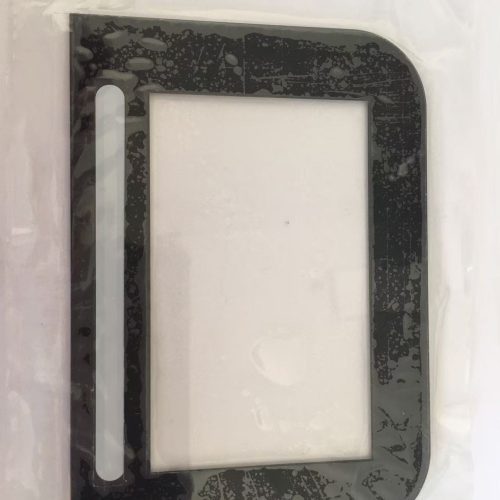
Premium materials offer scratch resistance, impact resistance, and operational stability. Equally important are custom dimensions, custom shapes, precision drilling, and screen printing.
A well-designed solution helps with precise touch, good visibility, and high durability. For projects that also include presentation elements, it may be helpful to analyze related applications such as acrylic display box.
Areas Where These Lenses Bring Immediate Value
These products are used in consumer electronics, smartphones, tablets, gaming devices, and smart display applications. They are equally useful in medical equipment, automation systems, industrial displays, commercial displays, and outdoor displays.
Quickly Solve Problems That Affect Displays
Many problems arise after product launch, not during the design phase. Scratches, hairline cracks, persistent dirt, and excessive reflections quickly affect the user experience and increase the need for service.
A properly configured lens reduces mechanical damage and protects the screen under heavy handling conditions. In addition, anti-reflection treatment, anti-glare treatment, and anti-fingerprint treatment can significantly improve readability and ease of maintenance.
For environments with bright light, reducing surface reflection becomes essential. For users who frequently touch the screen, maintaining touch sensitivity and an easy-to-clean surface is equally important.
Dust protection and UV protection complement performance in exposed applications. Thus, an LED display or LCD display remains clearer, cleaner, and more stable in daily use.
Custom Configurations for Each Type of Display
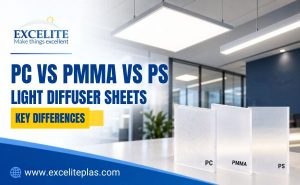
There is no single solution that fits all projects. Depending on requirements, display cover lenses can be made of acrylic, PMMA, or polycarbonate, each with clear advantages.
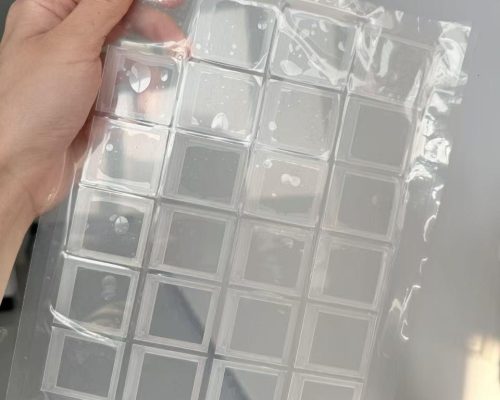
The custom production process can include CNC machining, edge finishing, precision drilling, screen printing, and optical bonding. These options allow adjusting the strength, weight, clarity, and mounting method for integration into the device.
Tempered Glass for Strength and Premium Appearance
Tempered glass is preferred when scratch resistance, optical clarity, and aesthetic appearance are prioritized. It is a common choice for premium electronics, industrial control panels, and heavily exposed touch interfaces.
Acrylic for Clarity and Flexible Machining
Acrylic, also known as PMMA, is lightweight and has good light transmission. It is easily machined into special geometries, making it useful for display filters, protective panels, and custom shapes.
Polycarbonate for High Impact and Low Weight
Polycarbonate is recommended when impact resistance and low mass matter more than scratch hardness. It is suitable for frequently handled equipment, demanding environments, and applications where shocks are likely.
Benefits That Support the Performance of the Final Product
A well-chosen lens brings direct advantages for the final product and for the user. Practical benefits include:
- high optical clarity for clear images and well-defined colors
- better resistance to daily wear and tear, impact, and frequent cleaning
- compatibility with capacitive touchscreens and stable touch functionality
- aesthetic integration through screen printing, finishes, and custom contours
- screen protection and extended display life
- simpler maintenance and easier-to-sanitize surfaces
These advantages are relevant for OEMs seeking consistent visual performance and lower post-integration costs. They matter equally in high-volume products and specialized equipment.
Surface Treatments That Increase Perceived Value
AG, anti-glare treatment, reduces glare and supports readability in bright light. AR treatment, or anti-reflection treatment, often uses a thin multilayer coating to reduce reflections and increase visual contrast.
AF treatment, or anti-fingerprint treatment, limits grease marks and simplifies cleaning. In certain applications, chemical etching and strict material standards contribute to a more uniform and predictable surface.
Simple Process from Requirement to Finished Product
An efficient project starts with clear technical specifications and a realistic assessment of the usage environment. The process can be simplified into a few essential steps:
- Submit the display dimensions, usage conditions, and optical requirements.
- The appropriate material, thickness, treatments, and manufacturing technologies are recommended.
- The drawing, tolerances, cutouts, and mounting details are validated.
- The solution is produced for testing, approval, and delivery.
This approach reduces the risk of rework and speeds up technical validation. In addition, it allows rapid adaptation for new projects or product updates.
Elements Analyzed Before Production
Before production, the size, thickness, mounting type, reflection level, and required strength are verified. Compatibility with optical bonding, touchscreen, UV protection, and real operating conditions is also analyzed.
Reliable Arguments for Choosing the Supplier
Choosing the supplier influences not only the quality of the part but also the stability of the entire project. It is important to work with a partner who understands optical materials, manufacturing tolerances, and integration requirements for industrial applications.
Exceliteplas positions itself through expertise in optical components and display protection solutions. The portfolio includes advanced materials, customization options, and functional treatments for varied requirements.
The capacity to support innovation in production, quality assurance, and adaptation to OEM projects also matters. To see the diversity of technical applications, you can also explore the camera cover for sports live events.
When is Glass More Suitable Than Polycarbonate?
Glass is preferred when scratch resistance, clarity, and premium appearance are priorities. Polycarbonate becomes more advantageous when strong impact and low weight are the main factors.
Request the Right Solution for Your Display Now
A correct design of the cover lens reduces production problems, subsequent costs, and the risk of mounting incompatibility. Therefore, it is worth discussing the requirements regarding material, treatments, tolerances, and final use in advance.
If you have a project for industrial displays, commercial displays, or specialized touch interfaces, request the recommended specification and evaluate a solution made exactly for your application.
A correctly designed cover lens supports durability, visual performance, and a better user experience. When the material, treatments, and manufacturing are chosen correctly, the display remains more protected, more readable, and easier to maintain in the long run.
Frequently Asked Questions
What is a display cover lens?
It is the outer layer mounted over an LCD display or LED display to protect the screen. It can also improve clarity, strength, and touch functionality.
Which material is better: glass, PMMA, or polycarbonate?
It depends on the application. Glass offers scratch resistance and a premium appearance, PMMA offers clarity and easy machining, and polycarbonate excels in impact resistance.
What do AR, AG, and AF mean?
AR is anti-reflection treatment, AG is anti-glare treatment, and AF is anti-fingerprint treatment. These finishes improve readability and ease of maintenance.
Do cover lenses affect capacitive touchscreens?
No, if they are designed correctly for capacitive touchscreens. The thickness, material, and optical bonding must be chosen according to the application requirements.
When is optical bonding useful?
It is useful when you want better contrast, fewer internal reflections, and a clearer image. It is frequently used in outdoor displays and interfaces with high visual requirements.
Can custom shapes and sizes be made?
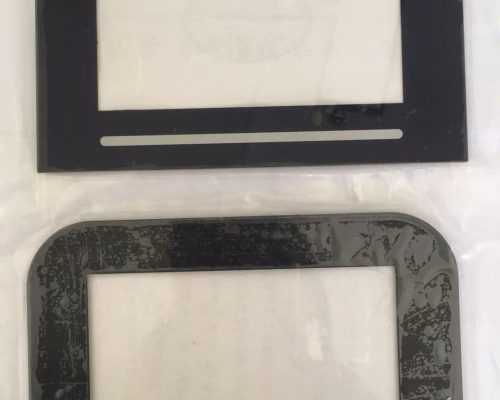
Yes, through CNC machining, precision drilling, edge finishing, and screen printing. This allows exact integration into the housing and product design.