Environmental Factors That Influence Lifespan
Several environmental conditions can affect how long polycarbonate panels last:
Climate: High UV exposure and extreme temperature swings accelerate aging
Wind loads: High-wind regions require thicker panels and closer support spacing
Pollution and chemicals: Industrial environments may impact surface longevity
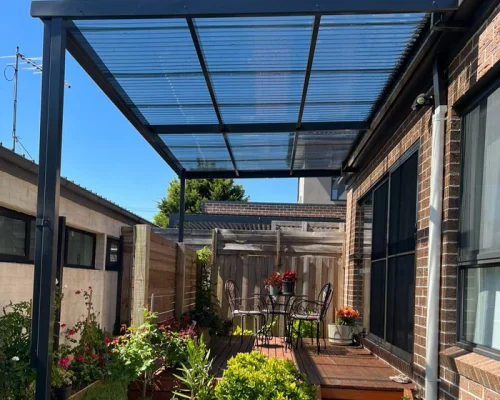
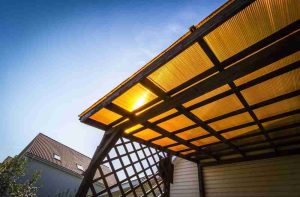
For roofing applications in harsh environments, selecting higher-grade corrugated polycarbonate panels is recommended to ensure long-term performance.
Signs That Polycarbonate Panels Are Reaching End of Life
Over time, polycarbonate panels may show signs of aging, including:
Reduced light transmission
Surface dullness or discoloration
Minor surface cracking or coating wear
These changes do not always indicate immediate failure, but they suggest that replacement planning may be necessary, especially for roofing applications where light performance is important.
How to Maximize the Lifespan of Polycarbonate Roofing Panels
To achieve the full 10–15 year lifespan, consider the following best practices:
Choose panels with UV-protective coatings
Select appropriate thickness for the application
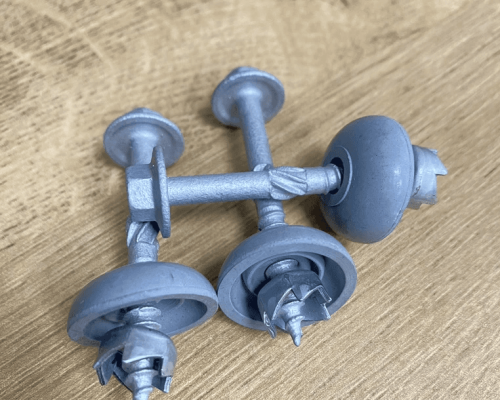
Follow recommended installation spacing and fastening methods
Allow for thermal expansion during installation
Perform periodic inspections and cleaning
When these factors are addressed, polycarbonate panels deliver long-term value and reliability.
The typical polycarbonate panels lifespan is 10–15 years, making them a dependable choice for modern roofing applications. Factors such as panel thickness, UV protection, environmental conditions, and installation quality all influence how long the panels will perform effectively.
For projects that require durability, light transmission, and weather resistance, corrugated polycarbonate roofing sheets remain one of the most practical solutions in roofing applications. Choosing the right product specifications ensures consistent performance throughout the panel’s service life.
If you are evaluating polycarbonate roofing solutions, understanding lifespan helps you make informed decisions and select panels that meet both performance and long-term cost expectations.