Excelite

Acrylic Light Diffuser Sheet

Eliminate hot spots and create a soft, uniform glow—ideal for backlit signs, displays, and lighting.

Description

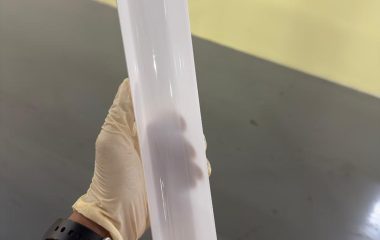
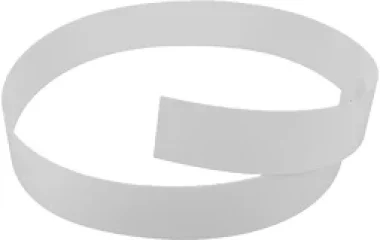
An acrylic light diffuser panel is a type of acrylic sheet engineered to evenly spread light and reduce hot spots from LEDs or other light sources.

It produces a soft, uniform glow, making it ideal for backlit signs, displays, and architectural lighting applications.

Acrylic light diffuser panels are lightweight, durable, and easy to fabricate, offering the same strength as standard acrylic with added light-diffusing properties.

They are commonly used in signage, channel letters, and backlit installations to ensure consistent brightness and visual clarity.

Product Features & Benefits

  • Excellent light diffusion properties (available in various grades)
  • Optimal ratio of light diffusion and light transmission
  • Abrasion and fingerprint resistant
  • Low weight, but more impact resistant than glass
  • Some grades meet the requirements for contact with food
  • Very high weather resistance
  • 10 years warranty against yellowing
  • Easy to process, Can be sheared, laser-cut, CNC routed, or trimmed with scissors into any 2D shape or pattern

Product Specifications

  • Material: Acrylic(PMMA, Plexiglass)
  • Available thickness range: 0.8mm, 1mm, 1.5mm, 2mm or custom sheets
  • Sheet dimensions: 500x500mm, 450x450mm, 590x590mm or customize 
  • Light Transmission: 30%, 65%, 80%
  • Finish:One side matte textured, one side smooth; two sides glossy
  • Color:White, Opal
  • Weight: Density 1.2kg/sqm

Acrylic Sheet Care

Acrylic is a relatively soft material and can scratch easily if not taken care of.  It also naturally builds up a static charge and can attract dust easily.  We suggest the two most recognized Acrylic cleaners available: Novus and Brillianize.

Quality Standards

  • Compliance with international quality and safety standards (e.g., ISO, ASTM, UL, AS, CE)
  • In-house quality control measures
  • Third-party inspection and certification (if applicable)
  • Warranty or guarantee offered on the products

The differences of Cast Acrylic Vs. Extruded Acrylic

Cast acrylic, also names cast perspex is made by pouring liquid plastic into a glass mold until it hardens into a solid, clear sheet. A popular brand called Plexiglass is made this way.

Extruded acrylic is made a bit differently. The liquid plastic is pushed through a extrusion machine that shapes it into sheets using rollers.

Both cast acrylic sheets and extruded acrylic look and work in similar ways, but the way they are made is slightly different.

Differences In Properties

Properties/ Features Cast Acrylic Extruded Acrylic
UV Stability Excellent Good: UV resistance, but might not perform as well as cast acrylic sheet while direct sunlight.
Clarity Superior optical clarity with high light transmittance Good, suitable for most applications
Wight Slightly heavier due to its density Slight lighter than cast acrylic
Chemical Resistance Resistant to many chemicals but can be affected by strong solvents. Generally resistant to common chemicals, but specific resistances may vary.
Scratch Resistance High: More resistant to scratches Less resistant to scratches, but much better than polycarbonate sheets
Colours Available in a wide range of colours and thicknesses. Fewer colours available, primarily under MOQ requirement.
Thickness Tolerance Varied: +/- 15% thickness variability. Consistent: +/- 10% thickness variability.
Flame Polishing Produces cleaner edges, but more time-consuming. Easier to achieve, but might not result in as clean of an edge.
Cost Generally more expensive due to its properties and manufacturing process. More cost-effective, making it a popular choice for projects with budget constraints.

Differences in Processing Performance 

  • Continuous Service Temperature: 180° F (Cast Acrylic Sheet) vs. 160° F (Extruded Acrylic Sheet)
  • Formability Temperature Range: 340° F to 380° F (Cast Acrylic Sheet) vs 290° F to 320° F (Extruded Acrylic Sheet)
  • Cast acrylic has a higher molecular weight, therefore it will cut, drill and rout cleaner.
  • Ease of Machining: When machining cast acrylic, shavings will flake off whereas extruded acrylic shavings may gum up on the tool.
  • Glue-joint effectiveness: It offers stronger glue joints with cast acrylic sheets and performs better in laser cutting.
  • Higher optical clarity: Cast acrylic typically has light transmission of 90-93% and above and extruded acrylic sheet ranges 88-92% light transmission. This can make a noticeable clarity difference.
  • Better UV resistance: Additives cast acrylic sheet provides increased protection from yellowing degradation.

Acrylic Light Diffuser Sheet Applications

industrial lighting

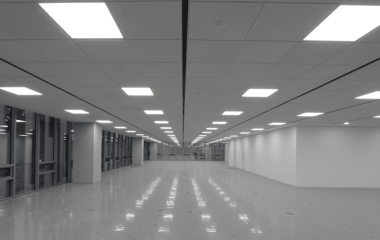
LED panels, ceiling lights, and troffers

Helps eliminate bright spots from individual LEDs. Common in offices, homes, and commercial buildings
led light diffuser sheet

Acrylic Display & Signage

Used in backlit signs, advertising boards, and lightboxes. Ensures graphics are evenly illuminated. Widely used in retail displays and billboards
LED-Flat-Panel-Light

LCD displays and TVs

Helps distribute backlight evenly across the screen.

FAQ

Cast acrylic provides superior optical clarity and surface quality compared to extruded acrylic. This makes cast acrylic the preferred choice for applications requiring high transparency and visual quality, while extruded acrylic may be suitable for more budget-conscious projects where perfect clarity is less critical.

Cutting Cast Acrylic

Circular Saw
Table Saw
Jigsaw

Polishing Edges

Sanding Block
Buffing Wheel
Click here to get more introduction for polishing and cutting

  • Frosted/Matte: soft blur, moderate diffusion
  • Opal/White: common, high diffusion + good transmission
  • Prismatic/Patterned: directional control, reduces glare
  • LED-specific: eliminates hotspots, designed for close LEDs
  • Light Guide Panels (LGP): edge-lit, slim panels for uniform light
  • Usually 0.8mm–6mm
  • Thicker = softer light, fewer hotspots
  • Thinner = higher brightness but may show LED points

Yes, using:

  • Laser cutting
  • CNC routing
  • Scoring & snapping (for thin sheets)
  • Thermoforming for curves

Avoid sharp bends on thick sheets—they can crack.

  • Acrylic is UV-resistant, so opal/frosted sheets work outdoors
TAILORED POLYCARBONATE SOLUTION


Get a Quote Today

Looking to transform your vision into a tangible product? 

At Excelite Plastics, every project is unique.

sales@exceliteplas.com

+86 135 8555 4902 (China)

+61452 396 680 (Australia)

Block 1 RuiSu Building, 2 Kecheng Rd, Suzhou, China 215122

Australia Branch: 6 Stephen Road, Dandenong South 3175

Click or drag a file to this area to upload.