
Excelite

How to Cut Plastic: The Best Tools and Methods

Cutting plastic looks simple—until it cracks, melts, or leaves a jagged edge. In our factory, we cut plastic every day: from thin PET and polycarbonate sheets to thick acrylic, large perspex panels, and PVC pipes. The right tool and method make the difference between a rough DIY cut and a clean, professional finish.

Cutting Plastic by Type

  • PETG

  • Acrylic

  • Polycarbonate

  • PVC

  • ABS

Below, we’ll walk you through the best tools, techniques, and safety tips we use on the factory floor—and how you can apply them to your own projects.

Essential Tools for Cutting Plastic

Top Tools for Every Type of Plastic
In our workshop, we choose tools based on the material thickness, rigidity, and the precision required.

1. Hacksaw
Best for: Straight cuts on rigid plastic pieces
A hacksaw is a simple, reliable hand tool we still use for small-volume or on-site work.

  • Works well for rigid plastics like PVC, ABS, and acrylic rods or small sheets
  • Use a fine-toothed blade (designed for metal or plastic) to reduce chipping
  • Secure the workpiece in a vise or with clamps to prevent vibration

Factory tip: Let the saw do the work—don’t force it. Smooth, even strokes give cleaner edges.

2. Utility Knife or Stanley Knife

Best for: Scoring thin sheets or plastic pieces
For thin plastics (around credit-card thickness or slightly thicker), scoring and snapping is often the cleanest approach.

  • Ideal for styrene, thin acrylic, PVC sheet, and polycarbonate film
  • Use a metal ruler as a straightedge and score along the cut line multiple times
  • Once a deep score is made, flex the sheet along the line until it snaps

Factory tip: Take several controlled passes instead of trying to cut through in one go. This minimizes wandering and gives a straight break.

3. Miter Saw

Best for: Clean, precise cuts on thicker plastic
We rely on miter saws when customers need accurate lengths and perfect angles.

  • Great for thicker acrylic, PVC, and polycarbonate profiles or boards
  • Fit a fine-tooth, carbide-tipped blade rated for plastics
  • Clamp the piece securely and cut at a moderate speed to avoid melting

Factory tip: For ultra-clean edges, we sometimes apply masking tape over the cut line to reduce chipping on brittle plastics.

4. Table Saw or Saw Table

Best for: Thicker sheet materials or long straight lines
When we process large sheets—like big perspex sheets or thick acrylic panels—a table saw is often our first choice.

  • Handles straight, repeatable cuts on large formats
  • Use blades specifically designed for plastic to avoid excessive heat
  • Always use a fence or guide for perfectly straight lines

Factory tip: We often adjust feed rate and blade height to balance speed and surface finish. Too fast = melting; too slow with a dull blade = chipping.

5. Laser Cutter

Best for: High precision on acrylic/plexiglass and intricate designs
For detailed graphics, logos, and complex shapes, laser cutting is the standard in our factory.

  • Delivers polished, flame-finished edges on acrylic and plexiglass
  • Perfect for custom signage, displays, and decorative panels
  • Excellent for thin to medium-thickness acrylic sheets

Factory tip: We optimize laser power and speed for each material grade and thickness. Incorrect settings can cause excessive melting or edge discoloration.

6. Tin Snips

Best for: Flexible plastic or thinner materials
Tin snips are surprisingly useful for certain plastics:

  • Effective on thin, flexible plastics like vinyl sheets and some lightweight panels
  • Useful for rough shaping where ultra-precision isn’t critical
  • Keep cuts gradual to avoid distorting the material

Factory tip: Use tin snips mainly for quick trimming; for visible, finished edges we usually switch to saws or laser cutting.

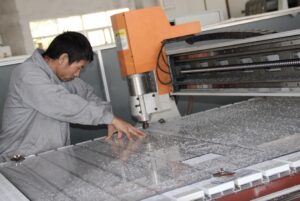
cut plastic

Specialized Tools and Their Uses

1. Heat Gun

Use: Softening plastic for reshaping or easier cutting
We use heat guns when we need to bend, form, or soften plastic before or after cutting.

  • Effective on PVC, acrylic, and certain thermoplastics
  • Softens the material so it can be bent, reshaped, or cut with less risk of cracking
  • Must be used carefully to avoid scorching or warping

Factory tip: We always keep the heat gun moving and test on offcuts first to find the right distance and temperature.

2. Rotary Cutter or Dremel

Use: Intricate designs and detailed cuts
Rotary tools are our go-to for small details and localized modifications.

  • Works well for curves, slots, and internal cutouts
  • Wide range of accessories: cutting discs, burrs, sanding drums
  • Ideal for finishing edges or fine-tuning shapes after rough cutting

Factory tip: Low-to-medium speed is usually better for plastic. Excessive RPM generates heat and can melt the material.

3. Pipe Cutter

Use: PVC pipe and cylindrical plastics
For pipe and tube work, a dedicated pipe cutter is fast and consistent.

  • Designed for PVC, CPVC, and some ABS pipes
  • Provides a square cut with minimal burrs
  • Safer and quicker than trying to balance a pipe on a miter saw for simple straight cuts

Factory tip: For thick-wall pipe, we sometimes combine pipe cutters with a quick deburring step to clean the inside edge.

4. Scroll Saw

Use: Intricate shapes and patterns
We use scroll saws for decorative or complex internal shapes in thinner plastics.

  • Works best on thinner acrylic, ABS, and similar materials
  • Great control over tight curves, patterns, and artistic designs
  • Requires a fine, sharp blade and gentle feed pressure

Factory tip: We often lay a template or pattern on the plastic and follow the line slowly—rushing creates chatter and rough edges.

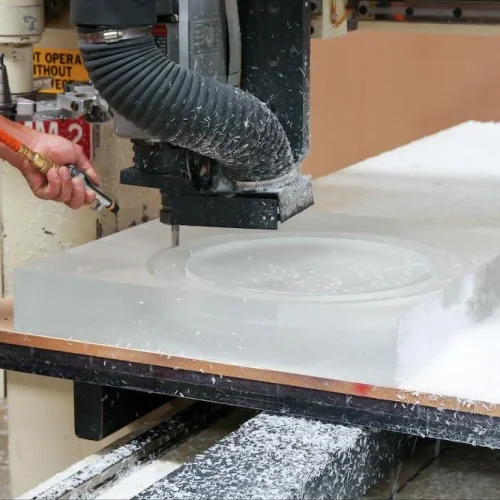
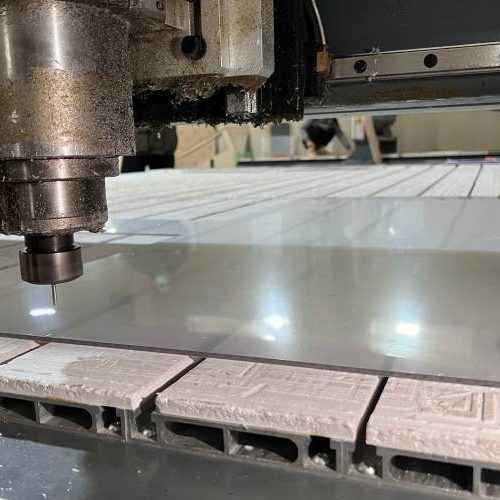
CNC-Machining on Plastic

Step-by-Step Plastic Cutting Process

Preparation and Safety Precautions
Before we cut any plastic in our factory, we follow a strict preparation routine. You can apply the same logic at home or in your workshop.
1. Work Surface

  • Use a flat, stable surface—workbench or sturdy table
  • Ensure there’s proper support under the entire cut line, especially with large sheets

2. Safety First

  • Always wear eye protection; chips from hard plastic can be sharp and fast-moving
  • For power tools, we also recommend hearing protection and a dust mask
  • Secure loose clothing, hair, and jewelry

3. Blade Choice

  • Choose fine-toothed blades specifically rated for plastic or non-ferrous materials
  • Inspect blades before use; chipped or dull teeth increase the risk of melting and cracking
  • For scoring knives, use fresh, sharp blades for a clean scribe line

Cutting Techniques for Best Results

These are the methods we apply daily for consistent, clean cuts.
1. Scoring Tool for Thin Sheets

  • Mark your cut line and place a metal straightedge on it
  • Score along the line multiple times with a utility knife or scoring tool
  • Once the groove is deep, support the sheet near the line and bend to snap it cleanly

2. Hacksaw or Miter Saw for Thick Acrylic or Rigid Plastic

  • Clamp the material securely
  • Use a fine-tooth blade and cut at a controlled, consistent speed
  • Avoid forcing the saw; excess force leads to vibration and chipping

3. Laser Cutter for Custom Plexiglass Sheets

  • Ideal for custom shapes, lettering, and panels
  • Produces accurate cuts and smooth, clear edges with minimal post-processing
  • Best suited to acrylic and plexiglass; not all plastics are safe or effective to laser cut

4. Heat Gun for Reshaping and Intricate Designs

  • Gently heat the area you plan to bend or reshape
  • Once pliable, bend or form the plastic using a jig, mold, or straight edge
  • Allow the part to cool fully before final trimming or installation

Tips for Achieving Clean Cuts and Smooth Edges

Optimizing the Cutting Process

These process-focused details are exactly what we monitor on the factory floor.
1. Feed Rate

  • Maintain a steady feed rate when using saws or rotary tools
  • Too fast: friction and heat buildup → melting and rough edges
  • Too slow with a dull blade: melting and burning

2. Saw Kerf

  • Every blade removes a slice of material called the kerf
  • For precision parts, subtract the kerf width from your measurements
  • In production, we calibrate our cutting lists to maintain dimensional accuracy

3. Scoring Technique

  • Make a deep, consistent score line instead of pressing hard once
  • Multiple passes give you better control and a straighter eventual break
  • Support both sides of the cut when snapping to avoid unintended cracking

4. Blade Cooling

  • During prolonged cutting, blades heat up and can cause plastic to fuse
  • We manage heat by:
     Allowing short pauses between cuts
     Using appropriate blade types and sharpness
     Adjusting feed speed and, where appropriate, airflow

Safety and Maintenance

1. Safety Precautions

  • Always treat cutting tools with respect—hand or power
  • Wear eye protection and suitable PPE for your environment
  • Keep your hands clear of the cutting path; use push sticks or guides on table saws

2. Tool Maintenance

  • Clean blades and tools after use to remove plastic dust and melted residue
  • Store blades properly to prevent damage to the teeth
  • Regular maintenance ensures consistent performance and long service life

In our factory, a strong maintenance routine is one of the reasons we can offer reliable, repeatable results on every order.

Why Choose Excelite for Your Custom Plastic Cutting Needs

As a professional plastic fabrication factory, Excelite specializes in taking all of these tools, techniques, and process controls—and turning them into ready-to-use, accurately cut plastic parts for our clients.

Here’s what we offer:

  • Expertise in Precision Plastic Cutting
    Our technicians work daily with acrylic, plexiglass, perspex, polycarbonate, PVC, and more. We combine manual skills with CNC and laser technology to deliver clean cuts and tight tolerances.
  • Custom Cut Plexiglass and Large Perspex Sheets

Whether you need a single custom plexiglass panel or bulk quantities of large perspex sheets cut to size, we can:
o Cut to exact dimensions
o Add holes, slots, and special shapes
o Provide polished or finished edges where needed

  • Reliable Supply Chain and Service for Home Improvement Projects
    From small home DIY projects to full renovation or shopfitting work, we provide:
  • Stable material supply and consistent quality
  • Professional advice on material choice and thickness
  • Responsive customer service from design idea to finished piece
  • Unique Gift Ideas with Custom Plastic Designs

Our cutting capabilities are also perfect for creative gifting solutions, such as:

  • Personalized acrylic name signs, plaques, or wall art
  • Custom display stands, organizers, or photo panels
  • Decorative shapes and panels for events, weddings, and celebrations

If you’d like, tell me what kind of plastic you’re working with (material, thickness, and what you’re making), and I can suggest the best cutting method—or explain exactly how Excelite would process it in our factory.

For detailed step-by-step instructions on cutting polycarbonate sheets, see our full guide →
How to Cut Polycarbonate Sheets 

CNC Plastic machining

MORE ARTICLES


TAILORED POLYCARBONATE SOLUTION

Get a Quote Today

Looking to transform your vision into a tangible product? 

At Excelite Plastics, every project is unique.

sales@exceliteplas.com

+86 135 8555 4902 (China)

+61452 396 680 (Australia)

Block 1 RuiSu Building, 2 Kecheng Rd, Suzhou, China 215122

Australia Branch: 6 Stephen Road, Dandenong South 3175

Click or drag a file to this area to upload.