A buyer comparing 6 mm glazing to a 25 mm machine barrier is not choosing the same material in any practical sense, even if both are called polycarbonate sheet. When evaluating Thick Polycarbonate Sheet (Excelite) — Sizes, Thicknesses (1mm–1 inch), Uses, Specs & Buying Guide, the real decision is how thickness, processing quality, coatings, and support conditions combine to control safety, clarity, and service life. This guide explains thickness selection, sheet sizes, performance specs, fabrication limits, and the buying criteria that separate a workable panel from an expensive mistake.
What “Thick Polycarbonate Sheet” Means (And When It Matters)
In technical terms, thick sheet usually means solid polycarbonate, also called monolithic polycarbonate, rather than a multiwall polycarbonate sheet with hollow chambers. That distinction matters because multiwall products are optimized for insulation and light weight, while solid polycarbonate is chosen when impact strength, edge machining, optical finish, or pressure resistance matters more than thermal efficiency.
Sheet thickness changes more than “strength.” It changes stiffness, deflection under load, impact energy absorption, weight considerations, and the level of care needed for drilling, polishing, and stress control, which is why a 1 mm sheet behaves more like a flexible cover while a 25 mm sheet behaves like an engineered panel.
Thickness also does not guarantee performance by itself. Excelite Plastics emphasizes state-of-the-art manufacturing and coating facilities ensuring quality, innovation, and tailored solutions, and that point matters because resin quality, residual stress, and surface finish often determine whether a panel survives fabrication better than an acrylic sheet alternative or fails early from crazing.
Excelite Context: Thick Sheet Quality Requirements in Critical Panels
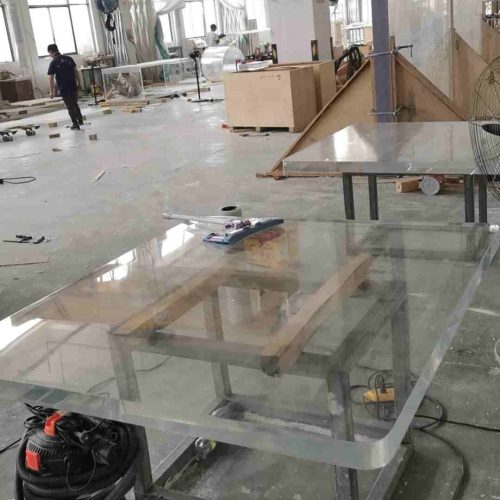
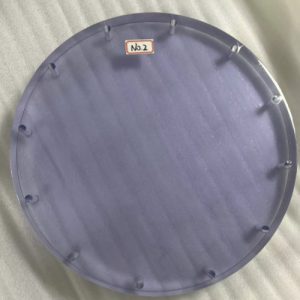
Critical transparent panels expose the limits of low-grade thick sheet faster than ordinary glazing does. In hyperbaric chamber windows, where 25 mm to 30 mm panels are common, flatness, optical consistency, and polishability are not aesthetic preferences but operating requirements.
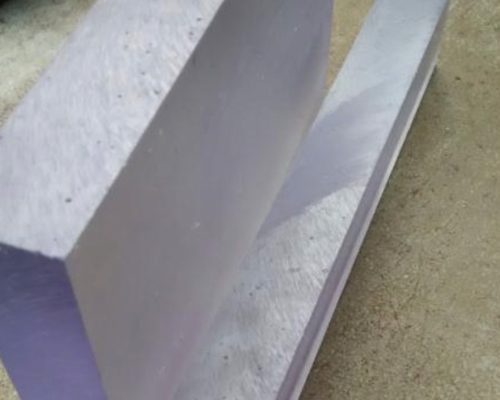
That is why buyers often compare suppliers against benchmarks associated with large market names such as Sabic . A thick optical panel should show low internal stress, freedom from crystal impurities, and reliable polishing behavior, because any embedded defect or stress concentration becomes more serious as thickness increases.
Thickness Options From 1mm to 1 Inch: How to Choose
A practical selection process starts with four variables: expected load or impact, unsupported span, allowable deflection, and safety factor. That approach is more reliable than copying a competitor’s sheet thickness, because the same panel can pass in one frame design and fail in another.
The common bands are useful as a first filter. Thin sheets at 1 to 3 mm suit light-duty covers, medium sheets at 4 to 12 mm fit many glazing and partition jobs, thick sheets at 15 to 25 mm serve high-impact barriers, and very thick sheets from 30 mm up to 1 inch are reserved for specialty protection or optical panels.
Thicker panels weigh more, cost more, and demand tighter machining control. That is why global buyers, including those sourcing through networks with overseas branches and export experience to the USA, UK, France, Brazil, Mexico, and Australia, often standardize thickness only after reviewing freight, handling, and installation constraints alongside material performance, a practice also seen across major suppliers such as SABIC Innovative Plastics.
Quick Thickness-to-Use Mapping (Rule-of-Thumb)
A rule-of-thumb map helps narrow options before engineering review.
1 to 3 mm: face shields, printed overlays, lightweight covers, and machine guards where impact needs exceed acrylic and protective glazing is still light-duty.
4 to 12 mm: partitions, skylights, enclosures, screens, and moderate-span glazing where stiffness begins to matter.
15 to 25 mm: high-impact barriers, heavy covers, and security assemblies needing more rigidity and better energy absorption.
25 to 30 mm and up to 1 inch: specialty optical panels, pressure viewing window applications, and severe-duty industrial protection.
Manufacturers such as Covestro publish broad performance data, but rule-of-thumb ranges are still only a starting point. The final choice must match support geometry, fastening, and service conditions.
When You Need Engineering Validation
If the panel sees pressure differential, life-safety duty, or public exposure, engineering validation is required. In those cases, a thick panel is still only one component in a full system that must be checked for deflection, edge support, fastening pattern, and temperature range.