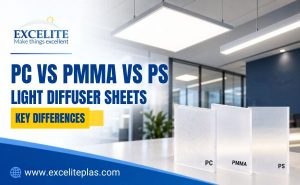
When it comes to selecting the right material for light diffusers sheets, the debate between acrylic vs polycarbonate light diffuser sheets is a common one. Both materials offer unique advantages and serve various industries, but the choice depends on specific applications and requirements. By understanding their physical properties, manufacturing processes, and common uses, you can determine the best material for your needs.
Acrylic and polycarbonate are both popular choices for lighting applications, offering excellent light transmission and durability. However, key differences such as impact resistance, weather tolerance, and cost can influence your decision. In this guide, we’ll break down the characteristics of these materials to help you make an informed choice.
Key Differences Between Acrylic and Polycarbonate Light Diffuser Sheets
Impact Resistance and Durability
One of the primary distinctions between acrylic and polycarbonate materials lies in their impact resistance and durability. Polycarbonate is highly impact-resistant, making it an excellent choice for environments like high-traffic areas or industrial applications where the material must withstand significant force. Its high impact resistance makes it suitable for demanding applications such as machine guards, riot shields, and even bulletproof windows, where safety is a priority.
On the other hand, acrylic offers better scratch resistance and maintains its visual appeal over time, which is why it’s often used in retail displays and display cases. While not as durable as polycarbonate in terms of impact strength, acrylic compensates with its aesthetic appeal, making it an excellent choice for applications where surface clarity and a polished look are essential.
Physical Properties and Performance
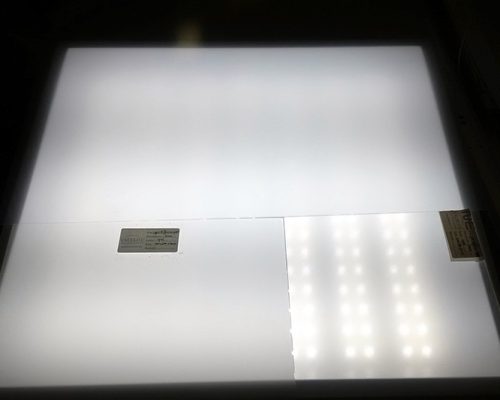
When comparing the physical properties of acrylic and polycarbonate, both materials have unique characteristics that cater to different needs. Acrylic is lightweight and provides excellent light transmission, allowing it to diffuse light effectively without reducing brightness. This makes acrylic plastic sheets ideal for use in lighting fixtures and light diffusers where clarity and visual appeal are crucial.
Polycarbonate, in contrast, excels in weather resistance and can handle high temperatures better than acrylic. This makes it a more suitable option for outdoor use or environments where exposure to high heat is expected. Additionally, polycarbonate light diffusers can help minimize hot spots from a light source, improving overall lighting efficiency in specific applications.

Applications of Acrylic and Polycarbonate Light Diffusers
Lighting Applications and Fixtures
In lighting applications, both acrylic and polycarbonate materials offer distinct advantages. Acrylic light diffusers are widely used in lighting fixtures because of their excellent light transmission and ability to evenly distribute light. This helps in creating a soft, glare-free environment, making them a popular choice for indoor spaces such as offices and retail stores.
Polycarbonate light diffusers, however, are better suited for environments requiring high impact resistance. These include industrial settings or areas where the diffusers may be exposed to potential damage. Their durability ensures they remain intact even under challenging conditions, providing consistent lighting performance over time.
Specific Applications and Common Uses
The versatility of both acrylic and polycarbonate materials is evident in their wide range of applications. Polycarbonate, with its high impact strength and weather resistance, is commonly used for machine guards, riot shields, and bulletproof windows. These applications benefit from the material’s ability to withstand significant force while maintaining structural integrity.
Acrylic material, on the other hand, is frequently used in retail displays, display cases, and other aesthetic-focused installations. Its clear acrylic sheet format offers better clarity and a polished appearance, making it an excellent choice for showcasing products or creating visually appealing designs. Additionally, acrylic is often used in lighting applications that prioritize excellent light transmission and aesthetic appeal.
Factors to Consider When Choosing the Right Material
Weather and UV Stability
When evaluating acrylic vs polycarbonate for outdoor use, weather and UV stability are critical factors to consider. Polycarbonate materials are designed to offer superior UV stability, making them suitable for prolonged outdoor exposure. This ensures that polycarbonate sheets maintain their structural integrity and optical clarity even after years of exposure to sunlight and other weather elements.
Acrylic, while offering excellent light transmission and aesthetic appeal, may require additional UV protection for outdoor applications. Without proper treatment, acrylic sheets are more susceptible to yellowing and degradation when exposed to UV light. However, UV-resistant acrylic options are available, which can extend the material’s lifespan and maintain its appearance in outdoor settings.
Cost and Maintenance
Cost is another important consideration when choosing between acrylic and polycarbonate materials. Acrylic generally offers a lower cost compared to polycarbonate, making it a budget-friendly option for applications that do not require high impact resistance. Additionally, acrylic’s better clarity and aesthetic appeal add value in environments where visual presentation matters, such as retail displays or decorative installations.
Polycarbonate’s durability and ability to withstand high temperatures justify its higher cost, particularly for demanding applications. While polycarbonate may require less frequent replacement due to its long-lasting performance, its initial investment is higher. When considering maintenance, acrylic is easier to clean and maintain, thanks to its scratch resistance and smooth surface, while polycarbonate requires careful handling to prevent surface damage over time.
Applications of Acrylic and Polycarbonate Light Diffusers
Lighting Applications and Fixtures
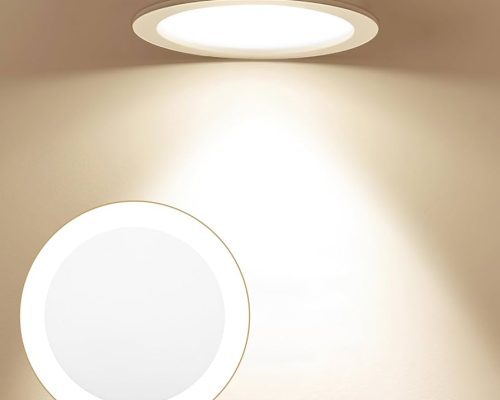
In lighting applications, both acrylic and polycarbonate materials offer distinct advantages. Acrylic light diffusers are widely used in lighting fixtures because of their excellent light transmission and ability to evenly distribute light. This helps in creating a soft, glare-free environment, making them a popular choice for indoor spaces such as offices and retail stores.
Polycarbonate light diffusers, however, are better suited for environments requiring high impact resistance. These include industrial settings or areas where the diffusers may be exposed to potential damage. Their durability ensures they remain intact even under challenging conditions, providing consistent lighting performance over time.
Specific Applications and Common Uses
The versatility of both acrylic and polycarbonate materials is evident in their wide range of applications. Polycarbonate, with its high impact strength and weather resistance, is commonly used for machine guards, riot shields, and bulletproof windows. These applications benefit from the material’s ability to withstand significant force while maintaining structural integrity.
Acrylic material, on the other hand, is frequently used in retail displays, display cases, and other aesthetic-focused installations. Its clear acrylic sheet format offers better clarity and a polished appearance, making it an excellent choice for showcasing products or creating visually appealing designs. Additionally, acrylic is often used in lighting applications that prioritize excellent light transmission and aesthetic appeal.
Factors to Consider When Choosing the Right Material
Weather and UV Stability
When evaluating acrylic vs polycarbonate for outdoor use, weather and UV stability are critical factors to consider. Polycarbonate materials are designed to offer superior UV stability, making them suitable for prolonged outdoor exposure. This ensures that polycarbonate sheets maintain their structural integrity and optical clarity even after years of exposure to sunlight and other weather elements.
Acrylic, while offering excellent light transmission and aesthetic appeal, may require additional UV protection for outdoor applications. Without proper treatment, acrylic sheets are more susceptible to yellowing and degradation when exposed to UV light. However, UV-resistant acrylic options are available, which can extend the material’s lifespan and maintain its appearance in outdoor settings.
Cost and Maintenance
Cost is another important consideration when choosing between acrylic and polycarbonate materials. Acrylic generally offers a lower cost compared to polycarbonate, making it a budget-friendly option for applications that do not require high impact resistance. Additionally, acrylic’s better clarity and aesthetic appeal add value in environments where visual presentation matters, such as retail displays or decorative installations.
Polycarbonate’s durability and ability to withstand high temperatures justify its higher cost, particularly for demanding applications. While polycarbonate may require less frequent replacement due to its long-lasting performance, its initial investment is higher. When considering maintenance, acrylic is easier to clean and maintain, thanks to its scratch resistance and smooth surface, while polycarbonate requires careful handling to prevent surface damage over time.
Laser Cutting vs CNC
When comparing acrylic and polycarbonate light diffuser sheets, consider not only optical and impact properties but also how each material is processed. Acrylic (PMMA) produces exceptionally clean, glossy edges when laser-cut, making it ideal for projects where edge appearance matters—such as decorative panels or light boxes with exposed edges. Polycarbonate (PC), on the other hand, is tougher and more heat-resistant, which makes it a better choice for CNC machining and applications requiring mechanical durability or complex milling.