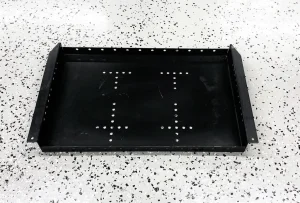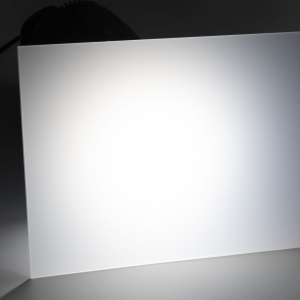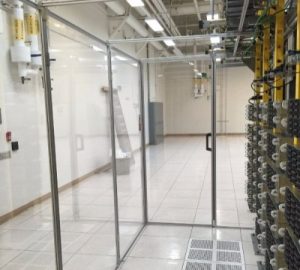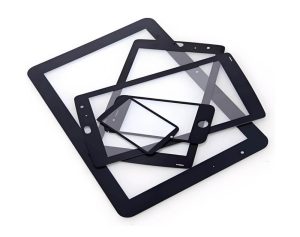

As electronic devices, industrial equipment, and advanced machinery continue to evolve, the demand for high-performance plastic enclosures has grown rapidly. Today’s OEMs and product developers need more than a basic housing — they require precision-machined enclosures that protect sensitive components, support thermal management, meet aesthetic goals, and scale reliably into production.
This is where professional OEM & ODM enclosure manufacturing plays a critical role. With advanced plastic enclosure machining, manufacturers can deliver custom solutions using materials such as polycarbonate (PC), PMMA (acrylic), and other engineering plastics, tailored to exact application requirements.
In this article, we explore how plastic enclosure manufacturing works, why machining is ideal for OEM & ODM projects, and how a specialized manufacturing partner adds long-term value.
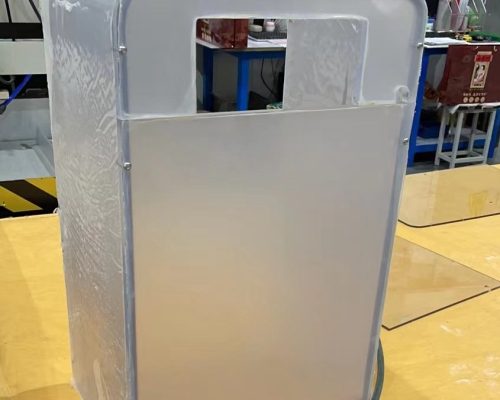
Why Plastic Enclosure Manufacturing Matters for Modern Products
Plastic enclosures are widely used across electronics, automation, medical devices, and industrial systems due to their versatility, durability, and design flexibility. Compared to off-the-shelf housings, custom machined plastic enclosures offer:
-
Precise fit for internal components
-
Optimized airflow, ventilation, and thermal performance
-
Integrated mounting features and cable management
-
Clean aesthetics with branding and labeling options
-
Faster iteration during product development
However, achieving these benefits requires more than material selection alone. OEMs often face challenges such as inconsistent quality, poor machining accuracy, limited customization options, or suppliers that cannot scale beyond prototypes. Partnering with an experienced OEM & ODM enclosure manufacturer helps eliminate these risks.
What Is Plastic Enclosure Machining?
Plastic enclosure machining typically refers to CNC machining of solid plastic materials into finished enclosure components. Unlike injection molding, machining does not require expensive molds, making it ideal for:
-
Prototyping and product validation
-
Low- to mid-volume production
-
High-mix, custom enclosure designs
-
Frequent design revisions
For OEM and ODM customers, CNC machining provides unmatched flexibility while maintaining tight tolerances and consistent quality.
Machining vs. Injection Molding
While injection molding is cost-effective for very high volumes, it is not always the best choice during early development or for specialized products. Machined plastic enclosures allow OEMs to:
-
Reduce upfront tooling investment
-
Accelerate time to market
-
Validate designs before mass production
-
Customize enclosures without redesigning molds
Many successful products begin with machined enclosures and later transition to molding — often with the same manufacturing partner supporting both stages.
Key Plastic Materials Used in Enclosure Manufacturing
Material selection directly impacts enclosure performance, durability, and application suitability. A professional enclosure manufacturer helps OEMs choose the right plastic based on mechanical, thermal, and environmental requirements.
Polycarbonate (PC)
Polycarbonate is one of the most widely used materials for industrial and electronic enclosures. Some special material, like laser protective panels also will be used for the enclosures.
Key advantages:
-
Exceptional impact resistance
-
High heat resistance
-
Good electrical insulation
-
Suitable for harsh industrial environments
PC enclosures are commonly used in automation equipment, electrical housings, and safety-critical applications.
PMMA (Acrylic)
PMMA, also known as acrylic, is valued for its transparency and visual clarity.
Key advantages:
-
Excellent optical properties
-
Smooth surface finish
-
Strong aesthetic appeal
-
Good rigidity
PMMA is often selected for enclosures requiring visibility, display windows, or premium appearance.
Other Engineering Plastics
Depending on the application, enclosure machining may also involve:
-
ABS for cost-effective electronics housings
-
Nylon for mechanical strength
-
POM for dimensional stability and precision parts
An experienced OEM & ODM manufacturer evaluates each project to recommend the most suitable material combination.

OEM & ODM Plastic Enclosure Manufacturing Capabilities
OEM and ODM enclosure manufacturing goes far beyond machining parts to a drawing. It involves close collaboration, engineering support, and scalable production planning.
OEM Enclosure Manufacturing
OEM services focus on manufacturing enclosures based on customer-provided designs. This includes:
Precision CNC machining
Tight tolerance control
Consistent quality across batches
Support for scaling production volumes
ODM Enclosure Manufacturing
ODM services include design and development support, allowing customers to bring products to market faster. ODM capabilities may include:
Enclosure concept development
Design optimization for manufacturability
Material and structure recommendations
Private-label and branded solutions
For many customers, a hybrid OEM/ODM approach delivers the best balance between control and speed.
Custom Machining Features for Plastic Enclosures
Precision machining allows enclosure designs to be fully customized for functionality and usability, including:
Accurate cutouts for connectors, displays, and switches
Threaded inserts and mounting bosses
Ventilation slots and airflow channels
Cable routing and strain relief features
Complex internal geometries
Surface finishing options such as polishing, texturing, or coatings further enhance performance and appearance.
Applications of Machined Plastic Enclosures
Plastic enclosure machining supports a wide range of industries and applications, including:
Electronics and control systems
Industrial automation equipment
Medical and laboratory devices
Telecommunications hardware
Energy and EV systems
In particular, 3D printer enclosures demand precise tolerances, thermal stability, and visibility — making machined plastic an ideal solution. For a detailed application example, you can explore our dedicated 3D printer enclosure manufacturing page, which demonstrates how custom plastic enclosures enhance safety, performance, and user experience.
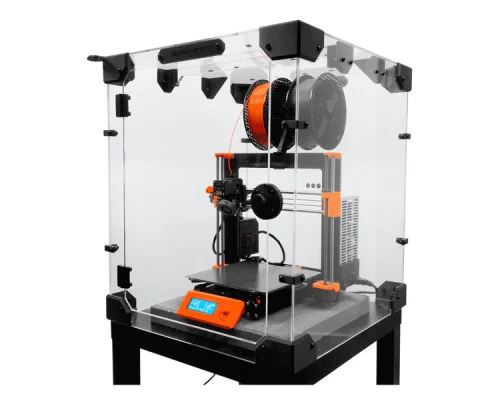
Why Plastic Enclosures Are Ideal for 3D Printer Applications
3D printers place unique demands on enclosure design. A well-engineered plastic enclosure can:
Maintain stable internal temperatures
Improve print quality and material consistency
Reduce noise during operation
Provide clear visibility of the printing process
Enhance safety by isolating hot components
Materials like polycarbonate and PMMA are especially suitable for these requirements, and CNC machining ensures accurate fit and professional appearance for OEM 3D printer brands.
Our Plastic Enclosure Manufacturing Process
A structured manufacturing process ensures consistent quality and on-time delivery for OEM and ODM customers.
Design Review & Engineering Consultation
We evaluate drawings, specifications, and application requirements to optimize design and material selection.Prototyping & CNC Machining
Rapid prototyping allows customers to validate form, fit, and function before scaling production.Quality Control & Inspection
Each enclosure undergoes dimensional checks and visual inspection to meet strict quality standards.Assembly & Secondary Operations
Support for inserts, fasteners, sub-assemblies, and finishing processes.Scalable Production Support
From small batches to larger production runs, we maintain consistency and reliability.
Why Choose Us as Your OEM & ODM Plastic Enclosure Partner
Choosing the right enclosure manufacturer directly impacts product quality, cost control, and long-term success. Our OEM & ODM plastic enclosure manufacturing services offer:
Specialized expertise in plastic enclosure machining
Deep knowledge of polycarbonate, PMMA, and engineering plastics
Flexible customization for diverse applications
Consistent quality with tight tolerances
Reliable lead times and production scalability
Collaborative engineering support
We work as a manufacturing partner — not just a supplier — helping customers move from concept to production with confidence.
Start Your Custom Plastic Enclosure Project
Whether you are developing a new product, refining an existing design, or scaling production, professional OEM & ODM enclosure manufacturing ensures your plastic enclosures meet performance, quality, and cost expectations.
Contact us today to discuss your plastic enclosure machining requirements, request a design consultation, or explore how we can support your next OEM or ODM project with precision-engineered enclosure solutions.