
Plastic fabrication plays a crucial role in creating a wide range of plastic products that serve various industries. From consumer goods to industrial applications, this manufacturing process transforms raw materials into functional plastic components tailored to specific needs. Whether it’s high-volume production or custom plastic fabrications, the techniques involved ensure precision and efficiency in meeting today’s demands.
With advancements in plastic fabrication methods, businesses can now achieve tight tolerances, high-strength designs, and cost efficiency for their projects. This guide will explore the features, material selection, and applications of plastics fabrication, providing valuable insights for your next project in the plastics industry.
What is Plastic Fabrication and Why It Matters?
Plastic fabrication is the process of transforming raw materials into plastic components through various manufacturing methods. This process is essential for producing plastic products that meet the specific requirements of different industries. By using advanced techniques like vacuum forming, plastic machining, and injection molding, manufacturers can create high-performance plastics with precise features tailored to the application.
Plastic fabrication matters because it enables the production of consumer goods, medical devices, industrial equipment, and more with unmatched versatility and cost efficiency. Whether you need low-volume prototypes or high-volume production runs, the plastic fabrication process offers design flexibility and consistent quality for a wide range of applications.
Understanding the Plastic Fabrication Process
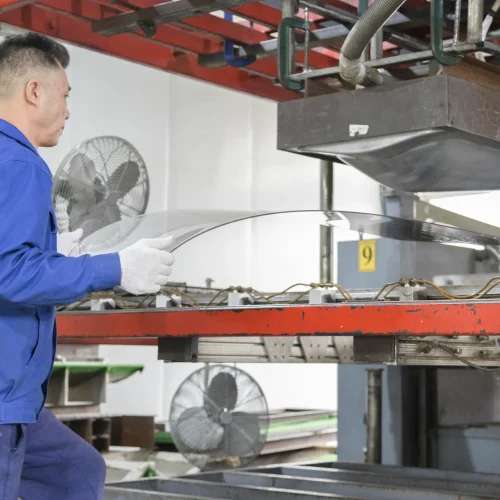
The plastic fabrication process begins by selecting appropriate raw materials, such as plastic resins or plastic sheet materials, based on the specific needs of the final product. Techniques like vacuum forming, rotational molding, and plastic extrusion are employed to shape and form these materials into the desired plastic components. Each method offers unique advantages depending on the complexity and size of the design.
This process is widely applied across various industries, including the production of consumer goods, food containers, medical devices, and piping systems. By leveraging advanced fabrication techniques, manufacturers can achieve tight tolerances, high-strength parts, and impact resistance, ensuring the durability and reliability of the final product.
Features and Benefits of Plastic Manufacturing
Plastic manufacturing offers a wide range of benefits, making it an indispensable part of modern production. It supports both high-volume and low-volume fabrication projects, enabling businesses to adapt to different market demands efficiently. This scalability is crucial for industries that require cost-effective solutions without compromising on quality.
One of the key features of plastic fabrication is its ability to achieve tight tolerances, ensuring that the final product meets specific requirements with precision. Furthermore, the use of high-performance plastics enhances mechanical properties like chemical resistance and temperature durability, making them suitable for demanding environments. From consumer products to industrial plastic solutions, the versatility of plastic manufacturing continues to drive innovation across industries.
Material Selection for Custom Plastic Fabrications
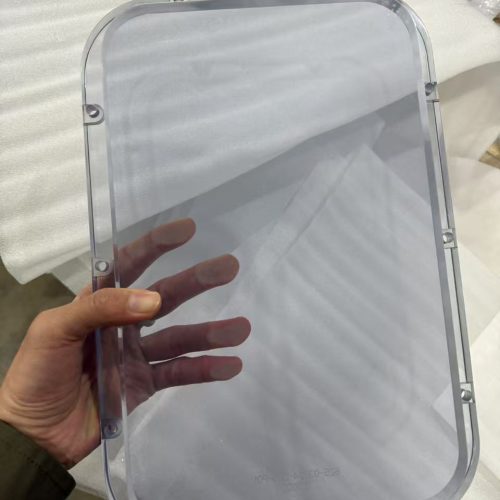
Choosing the right materials is a critical step in custom plastic fabrications. The type of plastic selected can significantly impact the performance, durability, and cost efficiency of the final product. Manufacturers consider factors like mechanical properties, chemical resistance, and temperature tolerance to determine the best plastic for a specific application.
How to Choose the Best Plastic for Your Specific Needs
When selecting materials for a project, it’s essential to weigh the advantages of different types of plastics. For example, acrylic offers excellent impact resistance and clarity, making it suitable for display cases and signage. Polycarbonate, on the other hand, provides high strength and durability, which are ideal for applications requiring heavy-duty performance.
Similarly, polyethylene terephthalate (PETG) and polyvinyl chloride (PVC) are commonly used for specific needs. PETG is known for its chemical resistance and high-temperature tolerance, making it suitable for food containers and medical devices. PVC, with its superior weather resistance and versatility, is widely used in piping systems, fuel tanks, and other industrial applications. These material properties make them reliable choices for a wide variety of fabrication projects.
High-Performance Plastics for Various Industries
High-performance plastics play a vital role in addressing the unique demands of various industries. For example, PETG is widely used in the food processing industry due to its safety and durability in high temperatures. PVC is often utilized in the construction and automotive sectors for its strength and weather resistance, making it ideal for piping systems and fuel tanks.
The medical industry also relies on high-performance plastics to produce devices that meet strict hygiene and safety standards. These materials offer the design flexibility needed for creating custom solutions that adhere to tight tolerances and specific requirements. By leveraging high-performance plastics, industries can ensure their products are both functional and reliable under demanding conditions.
Plastic Fabrication Methods and Techniques
Plastic fabrication employs a variety of methods and techniques to create components that meet diverse design and functional needs. These techniques are selected based on the material, desired features, and specific application of the final product. From injection molding to machining techniques, each method offers unique advantages in terms of precision and efficiency.
An Overview of Plastic Processing Techniques
Injection blow molding is a widely used technique for high-volume production of plastic components. This method allows for consistent quality and reduced tooling costs, making it ideal for consumer goods and industrial applications. Rotational molding, on the other hand, is best suited for creating complex shapes and hollow mold cavities, such as fuel tanks and storage containers.
Plastic extrusion is another common method used in the fabrication of industrial plastic products like pipes and tubing. This process involves pushing molten plastic through a die to form continuous cross-sections. Plate welding is often employed for joining large plastic sheets, ensuring a seamless surface finish and high-strength bonds. Each of these techniques contributes to the versatility and effectiveness of the plastic fabrication process.
Steps in the Plastic Manufacturing Process
The first step in any plastic manufacturing process is selecting the right material, whether it’s plastic resins or a specific type of plastic sheet. The choice depends on factors like mechanical properties, chemical resistance, and the intended use of the final product. Once the material is chosen, precision machining techniques like CNC machines are used to shape and refine the components to meet tight tolerances.
After the initial fabrication, finishing processes like powder coating are applied to enhance the surface finish and add protective layers. These steps ensure that the product not only meets its functional requirements but also achieves a polished appearance. Quality control measures, often adhering to ISO 9001:2015 standards, are implemented throughout the process to maintain consistency and reliability.
Applications of Plastic Fabrication Across Industries
Plastic fabrication is essential for a wide variety of industries, offering innovative solutions for both consumer and industrial needs. From food containers and medical devices to piping systems and automotive components, the applications of plastic manufacturing are virtually limitless. The ability to produce custom designs and meet specific requirements makes plastics fabrication a cornerstone of modern industry.
From Consumer Goods to Industrial Plastic Solutions
In the realm of consumer goods, plastic fabrication enables the creation of durable, lightweight, and affordable products like food containers, household items, and packaging materials. For industrial applications, custom designs are used to produce components such as piping systems and fuel tanks that meet strict performance standards. These plastic solutions are designed to offer high strength, impact resistance, and chemical durability, ensuring their reliability in demanding environments.
The medical and food processing industries also benefit from the precision and adaptability of plastic fabrication techniques. By using materials that meet hygiene and safety standards, manufacturers can create medical devices and food containers that comply with stringent regulations while maintaining high-performance capabilities.
Cost Efficiency and Lead Times in Fabrication Projects
One of the major advantages of plastic fabrication is its cost efficiency and reduced lead times. Advanced manufacturing methods like injection molding and rotational molding allow for lower tooling costs, making them suitable for both low-volume and high-volume production runs. Additionally, the use of high-performance plastics ensures weather resistance and temperature durability, reducing the need for frequent replacements and repairs.
Quality control measures, including ISO 9001:2015 certification, further enhance the reliability and consistency of fabrication projects. By focusing on cost efficiency and shorter lead times, plastic fabrication services help businesses stay competitive while delivering high-quality products to the market.
Choosing the Right Plastic Fabrication Services
Selecting the right plastic fabrication services is crucial for ensuring the success of your next project. Experienced providers bring years of experience and expertise in machining techniques, material selection, and manufacturing methods. This ensures that the final product meets your specific requirements, from design flexibility to achieving tight tolerances and high-performance results.
A reliable service provider should offer a wide variety of fabrication capabilities to cater to different industries and applications. Whether your project involves precision plastics for medical devices, industrial plastic solutions for piping systems, or consumer goods, the right partner will deliver tailored plastic solutions. They will also prioritize quality control measures to maintain consistency and adhere to industry standards like ISO 9001:2015 certification.
Ultimately, the focus should be on creating a final product that meets your specific needs while maintaining cost efficiency and reduced lead times. By choosing a provider with a proven track record and advanced fabrication capabilities, you can ensure the success of even the most complex fabrication projects. This not only streamlines product development but also provides long-term benefits in terms of performance and durability.