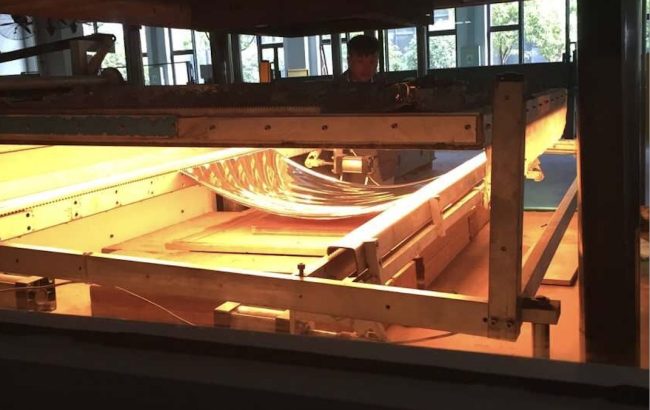
25mm (1 Inch) Polycarbonate Thermoforming
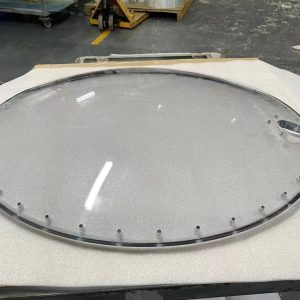
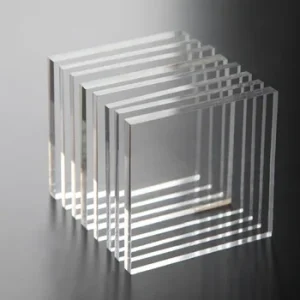
At Excelite Plastics we specialize in thermoforming thick-gauge polycarbonate. Forming 25mm (1″) polycarbonate shifts the process from simple sheet heating to precise, full–cross-section thermal control.
Our experienced engineers and production teams apply industry-proven selection, drying and heating protocols plus advanced mold design and handling to eliminate common defects and minimize scrap.
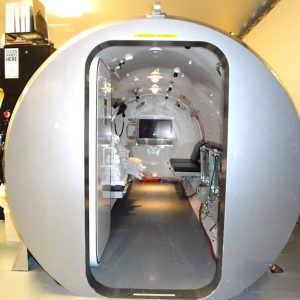
Whether you need transparent machine guards, tough structural components or large, optically-clear assemblies, Excelite delivers repeatable quality, on-time production and tailored finishing — including abrasion-resistant and hard-coat options — to meet demanding performance and aesthetic requirements.