Excelite

How to Choose Light Diffuser Thickness for Your Lighting Needs

Choosing the right light diffuser sheet thickness is essential for optimizing your lighting applications. The thickness directly impacts the quality of light, light diffusion effects, and the overall performance of your lighting systems. Whether you’re working with led strip lights, led light panels, or other fixture types, the right thickness can enhance light efficiency and create a desirable lighting effect.

Understanding how light passes through different diffuser materials and how thickness affects light scattering can help you meet your specific needs. From improving the aesthetic appeal to ensuring energy efficiency, selecting the correct thickness for your led light diffuser is crucial for achieving the desired luminous effect and user experience in various applications.

Why Light Diffuser Thickness is Crucial for Lighting Applications

Key Impacts on Lighting Design and Effectiveness

The thickness of a light diffuser significantly affects the overall lighting design and its effectiveness. One major role of diffuser thickness is in controlling light scattering and achieving desired light diffusion effects. A thicker diffuser tends to scatter light more evenly, which minimizes direct light and eliminates sharp led hotspots. This is particularly important when using led strip lights or led panels where smooth illumination is a priority.

Another critical benefit of appropriate diffuser thickness is the reduction of uneven lighting and glare control. Glare from improperly diffused light can cause eye strain and diminish the user experience in both residential and commercial spaces. By using the right thickness, you can create a more comfortable lighting setup, ensuring that the brightness level remains consistent without compromising light quality.

Lastly, the right thickness enhances the overall brightness level by balancing light transmission rate and light loss. While thinner diffusers may allow more light output, they can lead to visible led dots and uneven lighting. Thicker diffusers, on the other hand, diffuse light more thoroughly to improve light quality, though they may slightly reduce light efficiency. Striking a balance between these factors is essential to achieving optimal lighting performance.

Specific Requirements for Different Applications

Lighting needs vary significantly between residential, commercial, and retail spaces, making the choice of diffuser thickness highly application-specific. For example, in commercial spaces, lighting systems often require uniform light distribution to create an inviting atmosphere and reduce visual fatigue. Retail spaces, on the other hand, prioritize lighting installations that enhance aesthetic appeal and draw attention to products, making optical properties and luminous effect key factors to consider.

In residential applications, the focus may be on creating a warm and soothing environment, which can be achieved using diffusion materials like a milky diffuser. These are ideal for reducing eye strain while maintaining the right color temperature for a cozy ambiance. For cabinet lighting, selecting the right thickness ensures that the light spots are minimized while maintaining sufficient light output for functionality.

Moreover, the user experience in various applications can be enhanced by tailoring the diffuser thickness to meet specific needs. For example, lighting setups for office spaces require diffusers that reduce glare and ensure even illumination to boost productivity. By understanding the lighting requirements for different types of spaces, you can choose a diffuser thickness that aligns with the desired lighting design and functionality.
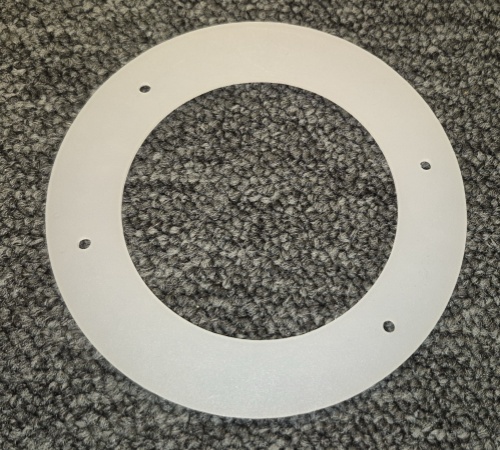

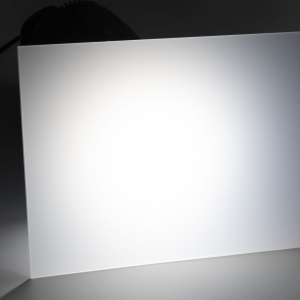
polycarbonate light diffuser sheet

Exploring Diffuser Materials and Their Properties

Popular Choices: Acrylic and Polycarbonate Diffusers

Among the many diffuser types available, acrylic and polycarbonate diffusers are the most popular choices due to their unique properties and versatility. A polycarbonate diffuser is known for its high impact resistance and heat resistance, making it a durable option for demanding lighting applications. This material is particularly suitable for environments with a wide temperature range or where the diffuser may be subject to physical stress.

Acrylic diffusers, on the other hand, are valued for their uv resistance and energy efficiency. They offer excellent optical properties, ensuring a high light transmission rate while protecting against discoloration caused by prolonged exposure to sunlight. Acrylic diffusers are a great option for achieving aesthetic appeal in applications where the quality of light and visual clarity are priorities.

The milky diffuser is another widely used option, particularly for its ability to reduce eye strain and improve light quality. Its diffused, soft light output is ideal for applications requiring uniform illumination without harsh shadows or glaring light spots. This type of diffuser is especially effective in maintaining a consistent color temperature, making it a preferred choice for both residential and commercial lighting installations.

Material Selection Based on Specific Needs

When selecting a diffuser material, it’s important to consider specific needs and the intended application. For example, fire risk and energy consumption are critical factors in certain environments, such as industrial or commercial spaces. Polycarbonate diffusers, due to their fire-resistant properties, are often chosen for these applications to ensure safety while maintaining energy efficiency.

Another consideration is how the light passes through the diffuser and its impact on light efficiency. For lighting installations requiring maximum brightness, thinner diffusers with high light transmittance may be ideal. However, for applications demanding uniform light distribution, thicker materials designed to scatter light effectively may be a better fit. The adaptability of these diffusion materials to different types of fixtures and various shapes further enhances their usability across a wide range of lighting setups.

Ultimately, the choice of material and thickness should align with the specific requirements of the lighting system. For example, in retail spaces, where aesthetic appeal and product visibility are paramount, selecting a diffuser that provides a balance of optical properties and luminous effect is essential. Likewise, for residential lighting, prioritizing materials that minimize light spots and enhance the overall look of the space can significantly improve the user experience.

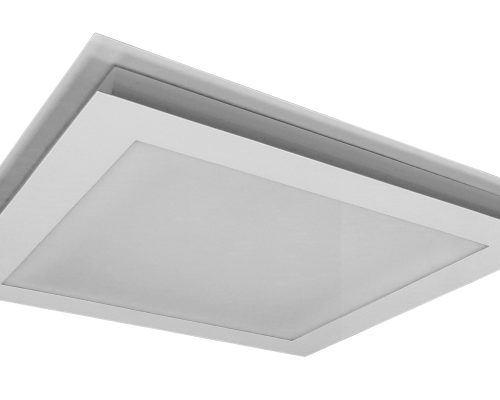
LED panel

How to Choose the Right LED Diffuser Thickness

Matching Thickness to Your Lighting Setup

Choosing the appropriate thickness for your led light diffuser depends largely on the specific lighting setup and the type of led light source being used. For led strip lights, using an aluminum channel or led diffuser channel can help ensure even light distribution and prevent issues like led hotspots or light spots. The diffuser thickness in these setups is crucial for achieving a smooth and professional lighting effect.

In applications such as cabinet lighting, a thicker diffuser may be necessary to eliminate uneven lighting and create a more polished appearance. Strip channel setups often benefit from the use of flexible led strips combined with a well-matched diffuser thickness to achieve the desired balance between light output and light scattering. By tailoring the thickness to the setup, you can optimize both functionality and aesthetic appeal.

Factors to Consider for Specific Applications

When selecting the right diffuser thickness, it’s essential to consider the specific requirements of the application. Fixture types and led panel compatibility play a significant role in determining the ideal thickness. For example, thinner diffusers may work well with certain led light strips that require high light transmission rate, whereas thicker diffusers may be better suited for applications where glare control and uniform illumination are priorities.

In both residential and commercial spaces, the lighting needs can vary widely. For residential lighting systems, creating a warm and inviting atmosphere may require a diffuser thickness that softens the light while maintaining consistent brightness levels. In commercial spaces, where energy consumption and durability are critical, selecting materials and thicknesses that offer both uv resistance and heat resistance is essential.

Adjusting the thickness for specific lighting systems, such as flexible led strips or cabinet lighting, can also help achieve the desired lighting effect. By considering factors like optical properties, light level, and the overall look of the installation, you can select a diffuser thickness that meets the unique demands of your project.

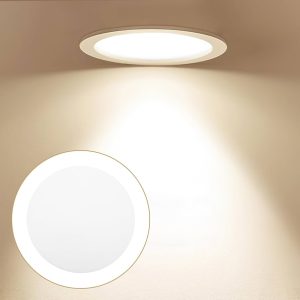
Clean room lighting

Key Factors for Selecting the Best Material and Thickness

When selecting the best material and thickness for your light diffuser, balancing optical properties, light level, and energy consumption is crucial. Optical properties such as light transmittance and haze directly affect the quality of light and the luminous effect of your lighting system. 

A diffuser with the right thickness can ensure minimal light loss while maximizing light efficiency, making it a critical component for both residential and commercial lighting applications.

Improving the overall look of your lighting setup is another key consideration. The right combination of material and thickness can enhance the aesthetic appeal of the lighting system, ensuring a seamless and polished appearance. 

For example, a milky diffuser can soften harsh light and hide led dots, creating a smooth and uniform illumination that complements the design of the space.

Material choices should also be guided by the specific lighting applications and their demands. For environments with higher durability requirements, such as industrial or retail spaces, materials like polycarbonate with impact resistance and heat resistance are ideal. In contrast, for applications prioritizing energy efficiency and uv resistance, polycarbonate diffusers are often the best material. By understanding the specific needs of your project, you can make informed decisions that enhance the performance and longevity of your lighting system.

Reducing light loss while maintaining quality of light is essential for achieving energy-efficient lighting installations. Thicker diffusers (like 4-6mm thickness) can minimize uneven lighting and improve glare control, but they may slightly reduce light output. Striking the right balance ensures that the lighting system meets its intended purpose without compromising on energy consumption or overall performance.

MORE ARTICLES


TAILORED POLYCARBONATE SOLUTION

Get a Quote Today

Looking to transform your vision into a tangible product? 

At Excelite Plastics, every project is unique.

sales@exceliteplas.com

+86 135 8555 4902 (China)

+61452 396 680 (Australia)

Block 1 RuiSu Building, 2 Kecheng Rd, Suzhou, China 215122

Australia Branch: 6 Stephen Road, Dandenong South 3175

Click or drag a file to this area to upload.